
Tokyo Guide
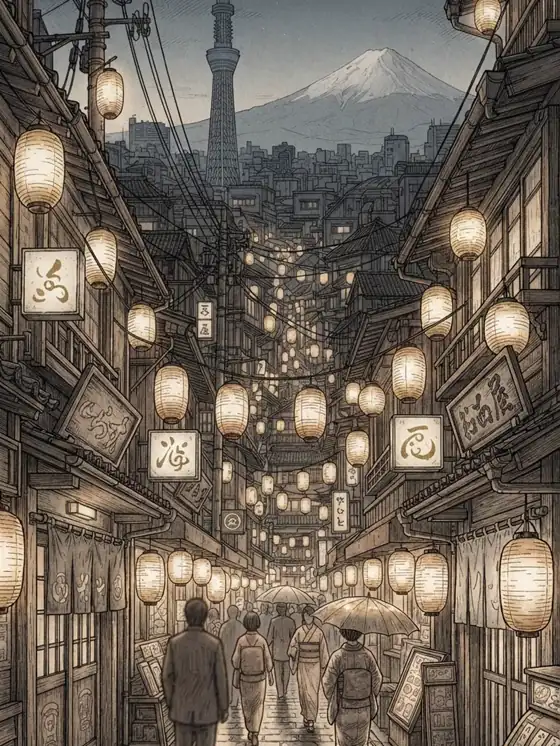
A city of counters — eight seats, one chef, one dish done for thirty years — stacked vertically across dozens of distinct districts.
Tokyo is not one centre but a chain of them along the Yamanote loop, and the best rooms are often on the seventh floor of an unmarked building. Reservations matter more than anywhere: the top counters release seats a month ahead to the day, many take bookings only by phone or through a hotel concierge, and last trains stop just after midnight, which quietly sets the end of every evening.
Share this guide
Live from Tokyo
Latest news & events
Fresh Tokyo stories and events are on the way — check back soon.
Shibuya to Asakusa, end to end
Illustrated
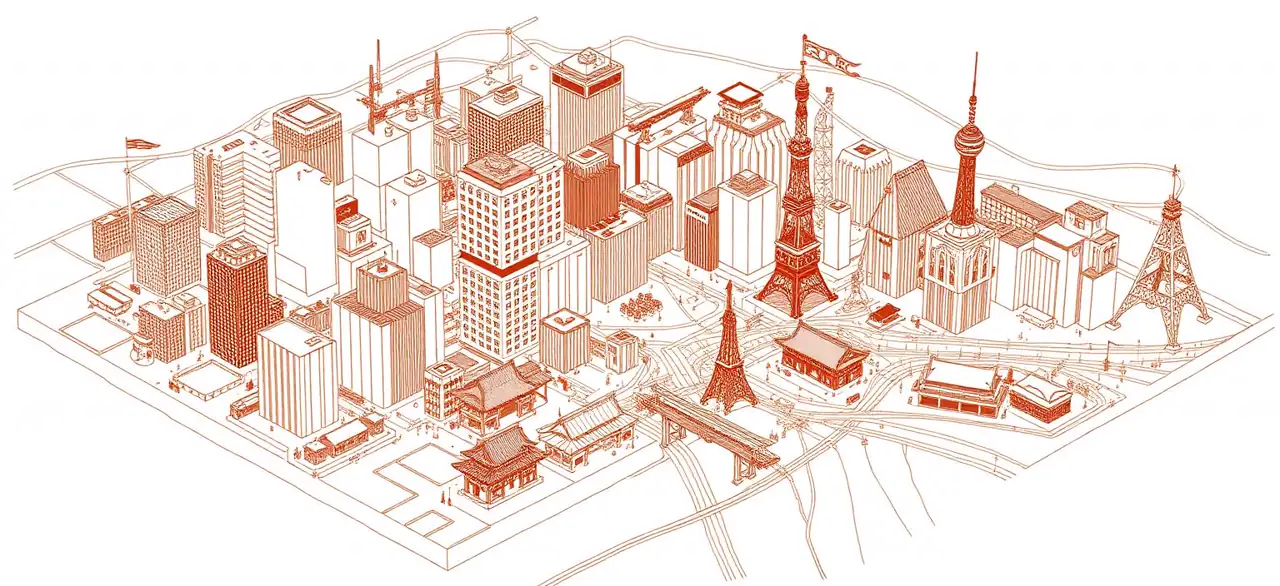
Drawn by hand for the KEY2 Tokyo guide
Where to stay
Hotels
The KEY2 list
Happy Hour
Daylight
Hotel Pools & Pool Clubs
Eat
Best Food
Mornings
Breakfast & Brunch
Recover
Health & Wellness
After dark
Nightlife
Arenas
Sports
Tonight
Concerts & Comedy
Say it here
Weddings
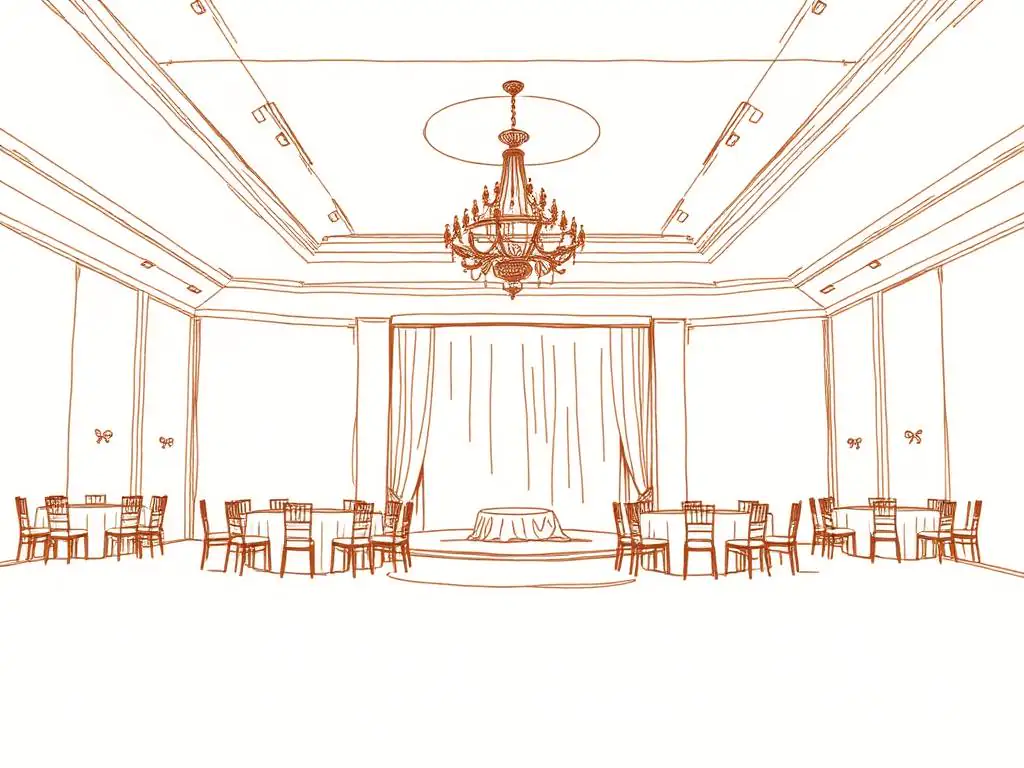
Book the room
Event Spaces

Experiences
100 Other Things To Do
Tokyo explained
Hour-by-hour plans drawn by hand — pick one and follow it from first coffee to last call.
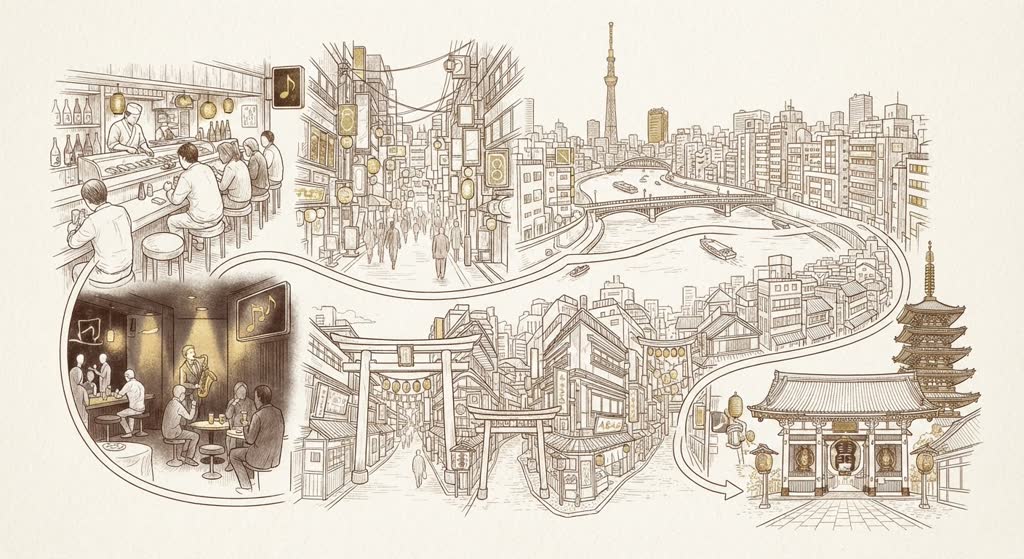
24 Hours in Tokyo
A single tight loop from an Asakusa temple to a Ginza sushi counter and a jazz-lounge nightcap.
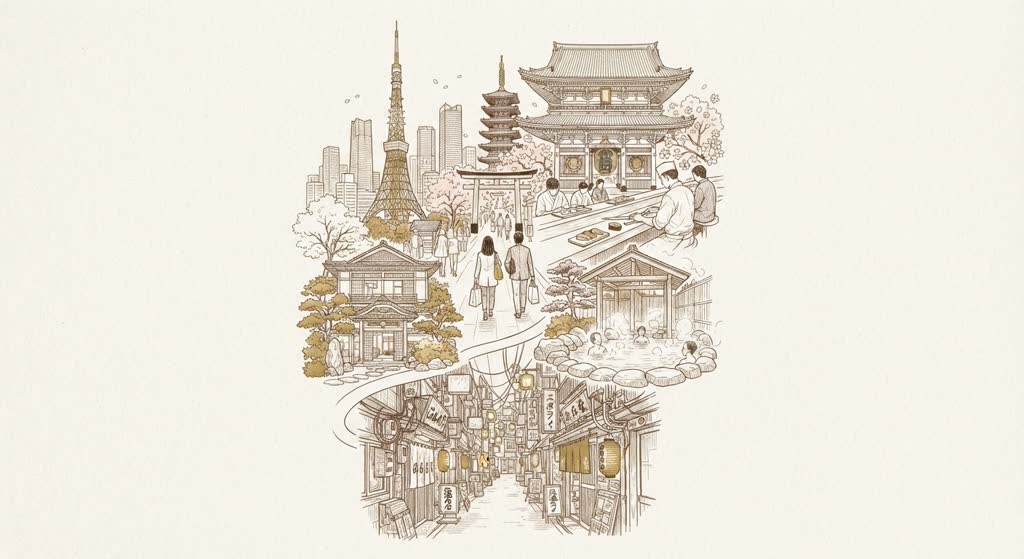
48 Hours in Tokyo
Two days balancing old Tokyo temples, high-end sushi, an onsen reset and Golden Gai nightlife.
Tokyo travel guide
The practical layer: when to come, how to arrive, how to move, where to base yourself and what it costs.
Best time to visit
Late March to early April brings cherry blossoms, and October to November offers mild temperatures with autumn foliage — both are peak booking periods, so reserve well ahead; the humid rainy season runs June into July.
Getting in
Narita (NRT) is roughly 60–90 minutes from central Tokyo via the Narita Express (around ¥3,000) or Skyliner; Haneda (HND) is closer, about 30–45 minutes from the centre via the Tokyo Monorail or Keikyu Line (around ¥500–650). Taxis from either airport are expensive, ¥8,000–25,000, and best avoided unless with a group and luggage.
Getting around
The JR and Tokyo Metro/Toei subway networks cover the whole city; buy a Suica or Pasmo IC card on arrival and tap in and out everywhere, including buses and convenience stores. Tokyo is very walkable within neighbourhoods but distances between areas favour the train; a car is unnecessary and parking is scarce and costly.
What it costs
A mid-range hotel runs ¥15,000–28,000 a night; dinner for two at a good izakaya or restaurant costs ¥6,000–12,000; a single subway fare within the centre is around ¥170–320.
Where to stay
- Shinjuku
- Major transit hub with huge nightlife, department stores and easy access across the city.
- Shibuya
- Young, energetic base near the famous crossing, good for shopping and nightlife.
- Asakusa
- Traditional, closer to Senso-ji temple, with a slower pace and older architecture.
- Ginza
- Upscale shopping and dining district, suited to visitors wanting a quieter, polished base.
Traveller tips
- Carry cash — many smaller restaurants, shrines and older shops still don't accept cards.
- Tipping is not customary anywhere in Japan and can cause confusion if offered.
- Reserve tables at popular sushi and ramen spots where possible; some accept no walk-ins at all.
- Public transport quiet is taken seriously — keep phone calls off trains and set phones to silent mode.
- Rent a pocket Wi-Fi or buy a data SIM at the airport, as free public Wi-Fi coverage is patchy.
- Plugs are Type A/B, the same flat two-pin as the US, running at 100V.
The Tokyo calendar
The dates that actually move prices, crowds and opening hours.
Late March–early April
Cherry blossom
A ten-day window that moves each year; Meguro river, Chidorigafuchi and Shinjuku Gyoen are packed from dawn.
Late April–early May
Golden Week
Consecutive national holidays: domestic travel peaks, hotel rates jump and many small kitchens close.
June
Tsuyu rainy season
Six weeks of humidity and grey afternoons — the quietest, cheapest stretch before summer.
July–August
Summer festivals & fireworks
Sumida river fireworks and neighbourhood matsuri; 35°C and humid, so plan indoors from noon.
Mid-August
Obon
The city empties as families travel home; some restaurants shut for a week, but hotels loosen up.
November
Autumn leaves
Late-November colour in Rikugien and the Imperial gardens — the clearest, most comfortable weeks of the year.
Seasonal highlights
- Spring (Mar–May)
- Blossom then warm clear weeks; the busiest and most expensive season alongside autumn.
- Summer (Jun–Aug)
- Rainy season into heavy heat; rooftop beer gardens, department-store basements and early starts.
- Autumn (Sep–Nov)
- The best all-round window — typhoon risk fades in October, then dry, bright and cool through November.
- Winter (Dec–Feb)
- Cold, dry and startlingly clear; Fuji is visible from the towers and January is the softest month for rooms.
Off-peak intel
- Mid-January to February and the rainy weeks of June are the cheapest, calmest times to visit.
- Book counter restaurants exactly one month ahead at opening time, or ask your hotel concierge to call.
- Lunch at a high-end counter costs a third of dinner for the same kitchen — the standard local move.
- Plan the last leg of the night around the final train just after midnight, or budget for a long taxi.