San Francisco Guide
Seven square miles of microclimates, where the fog decides your itinerary more than the season does.
Neighbourhoods here sit minutes apart but run fifteen degrees different — the Mission can be sunny while the Sunset is socked in. Dinner runs early by big-city standards, and the best tables release reservations exactly on schedule, so set an alarm rather than walking in.
Share this guide
Live from San Francisco
Latest news & events
Fresh San Francisco stories and events are on the way — check back soon.
The city by the bay, end to end
Illustrated
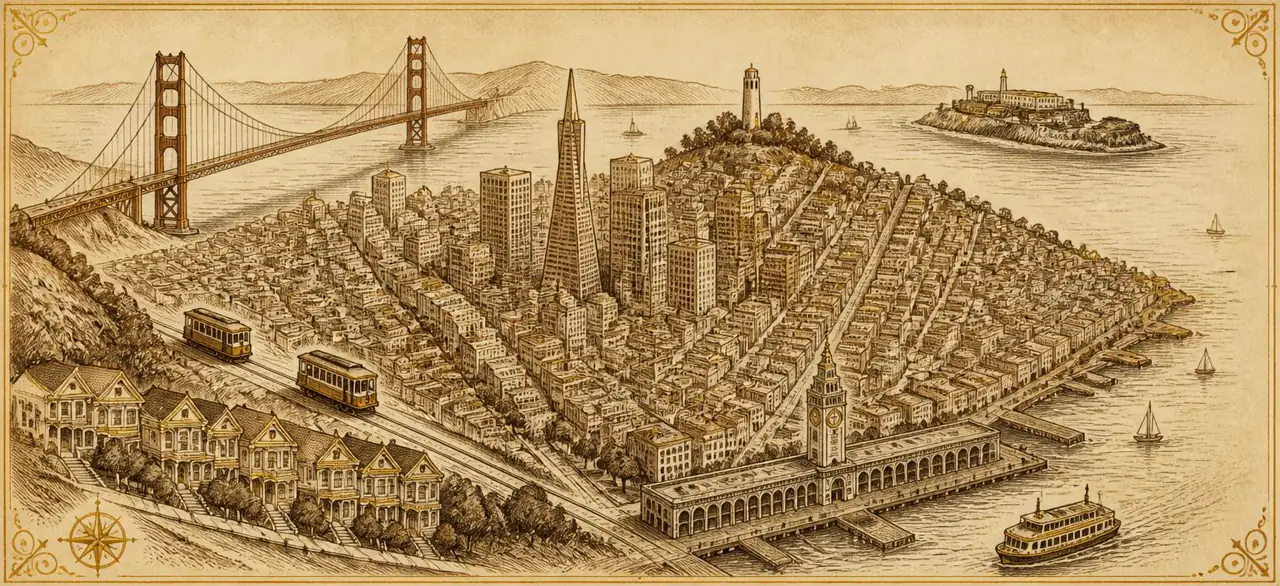
Drawn by hand for the KEY2 San Francisco guide
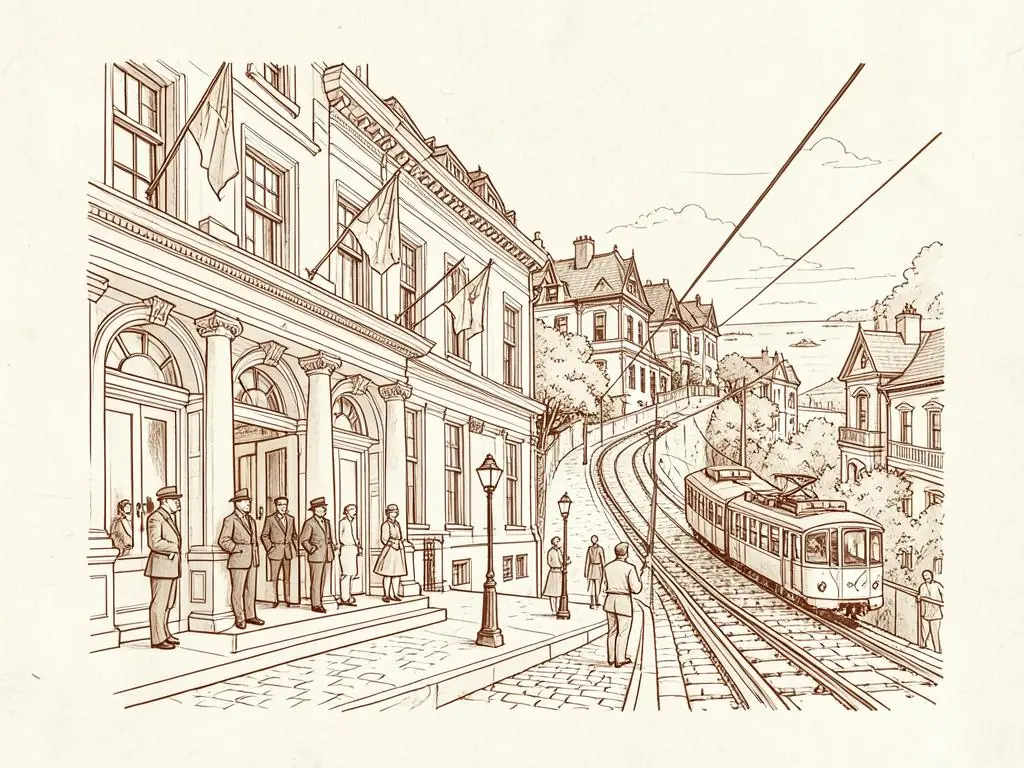
Where to stay
Hotels
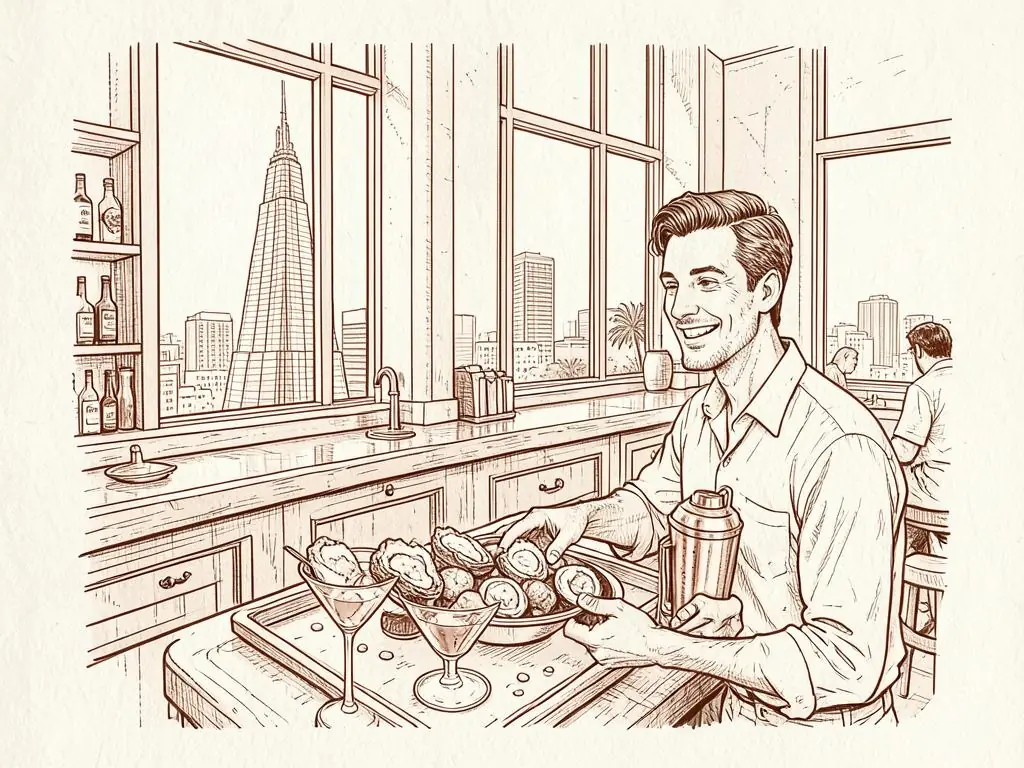
The KEY2 list
Happy Hour
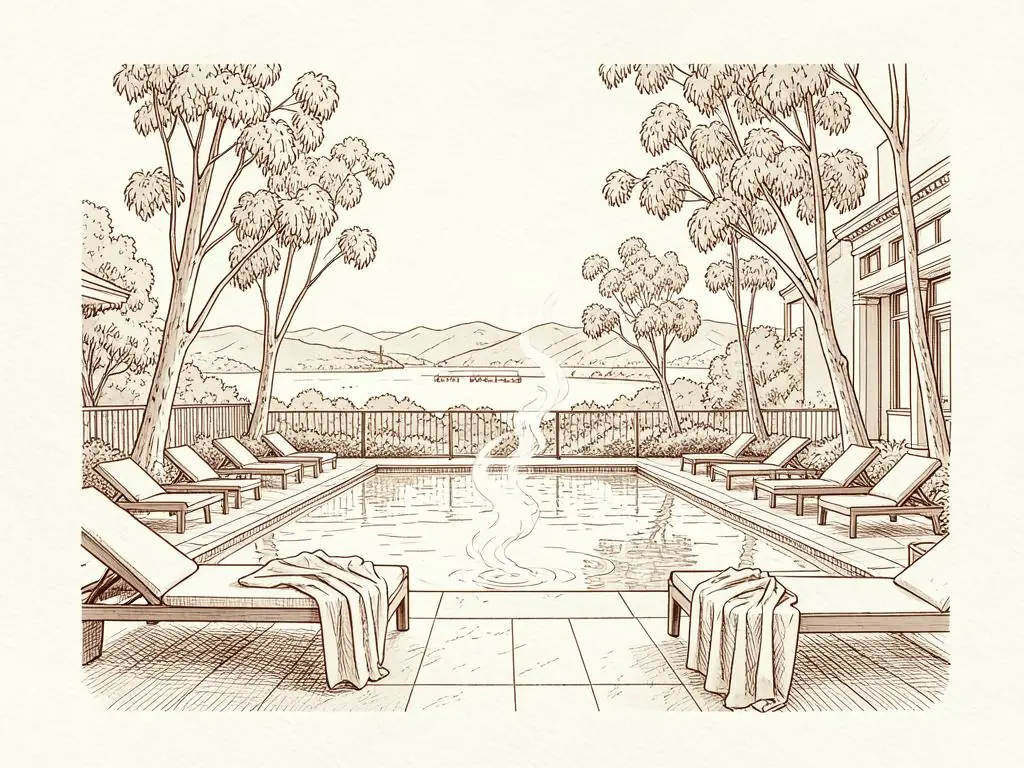
Daylight
Hotel Pools & Pool Clubs
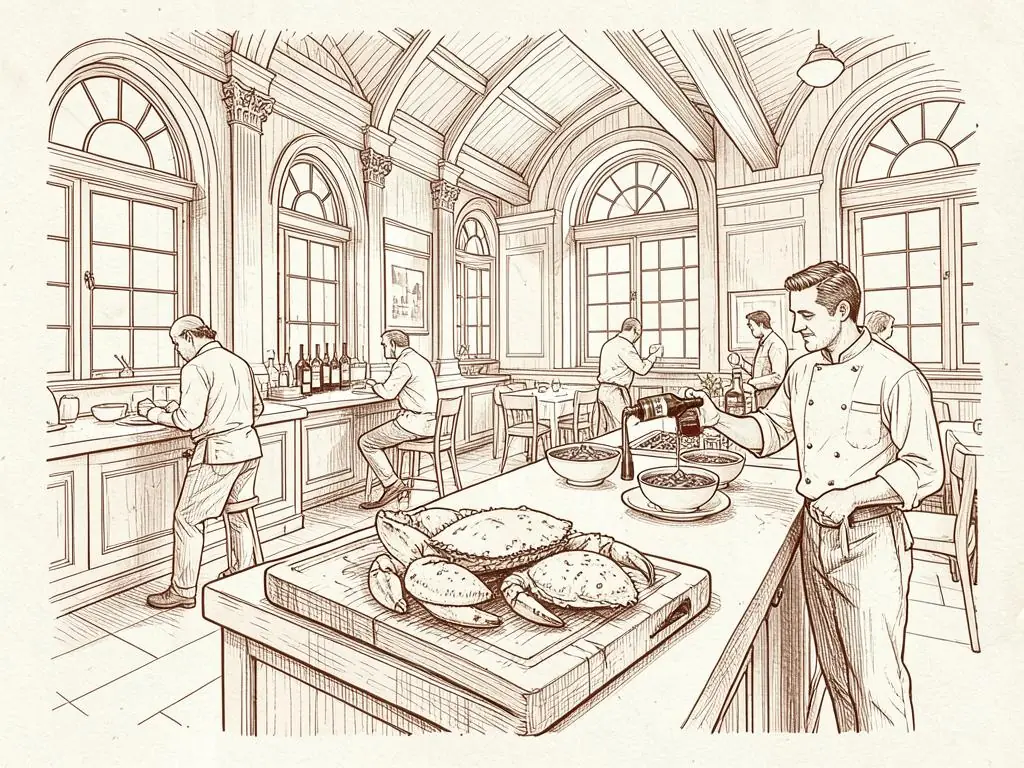
Eat
Best Food
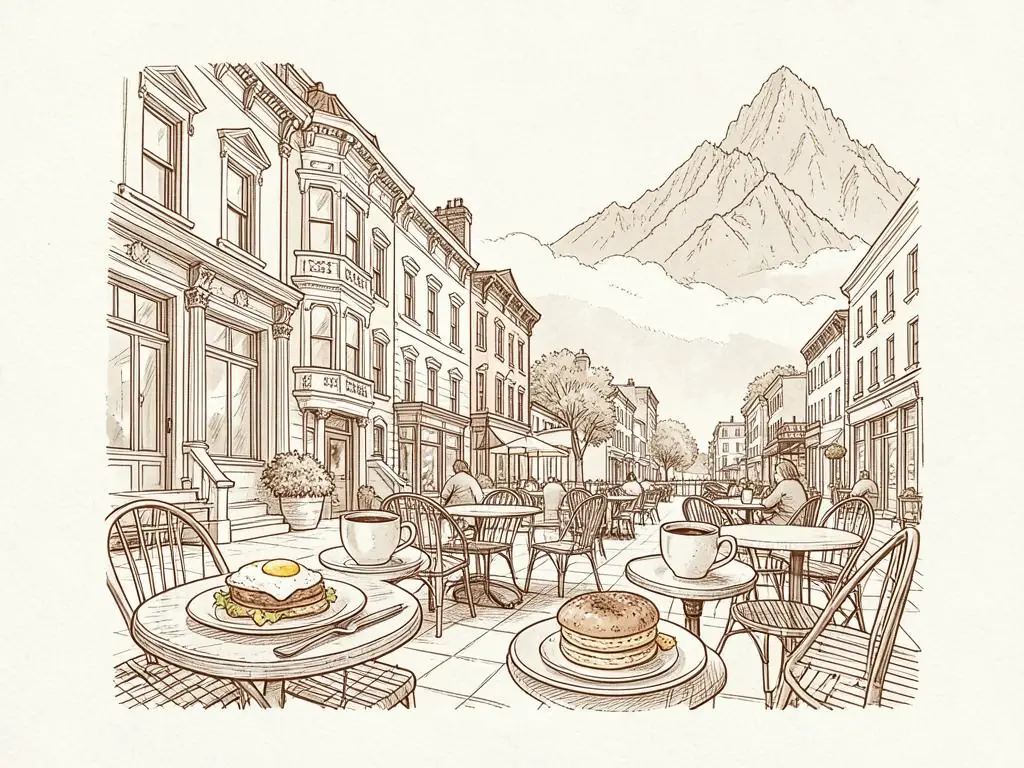
Mornings
Breakfast & Brunch
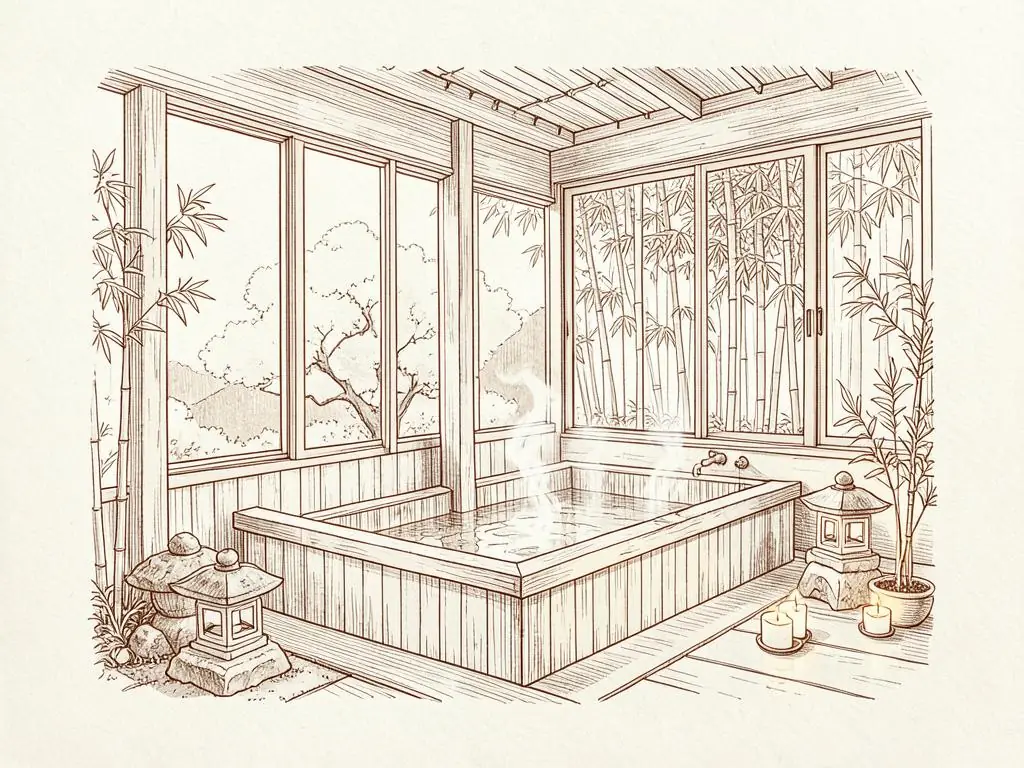
Recover
Health & Wellness
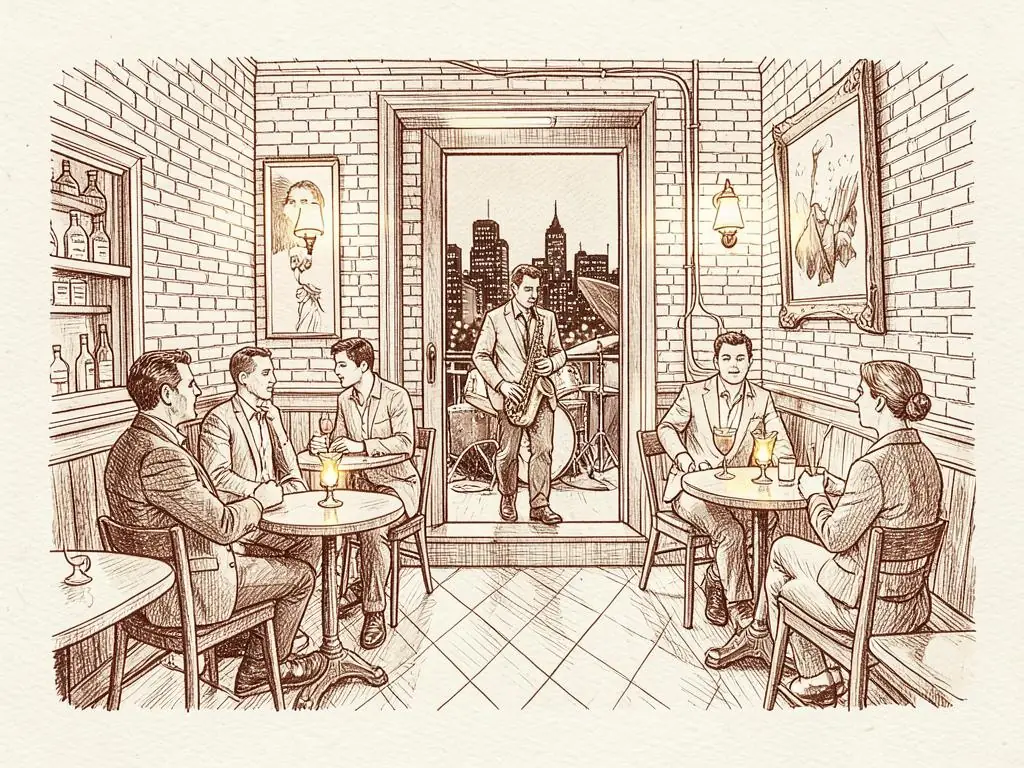
After dark
Nightlife
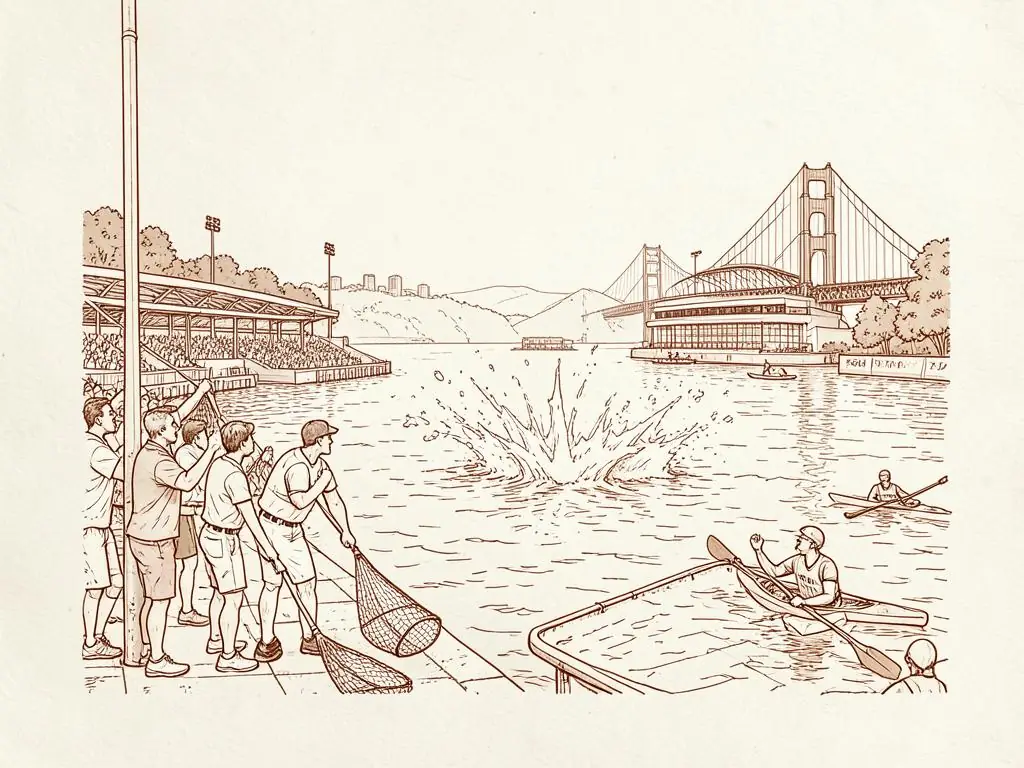
Arenas
Sports
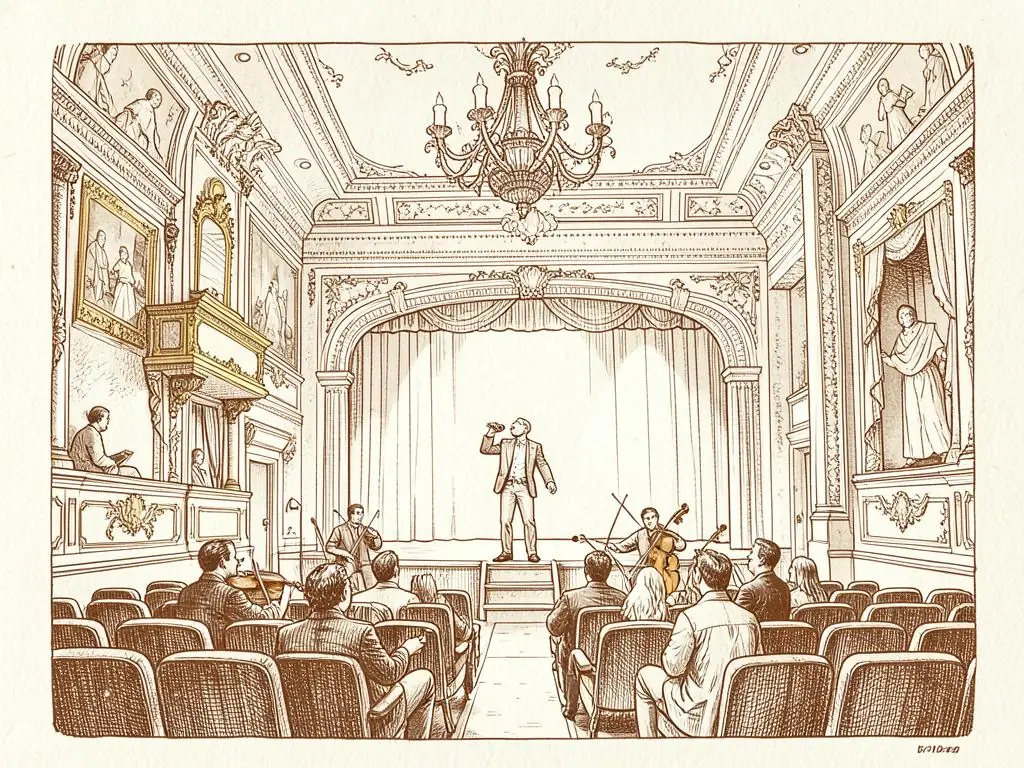
Tonight
Concerts & Comedy
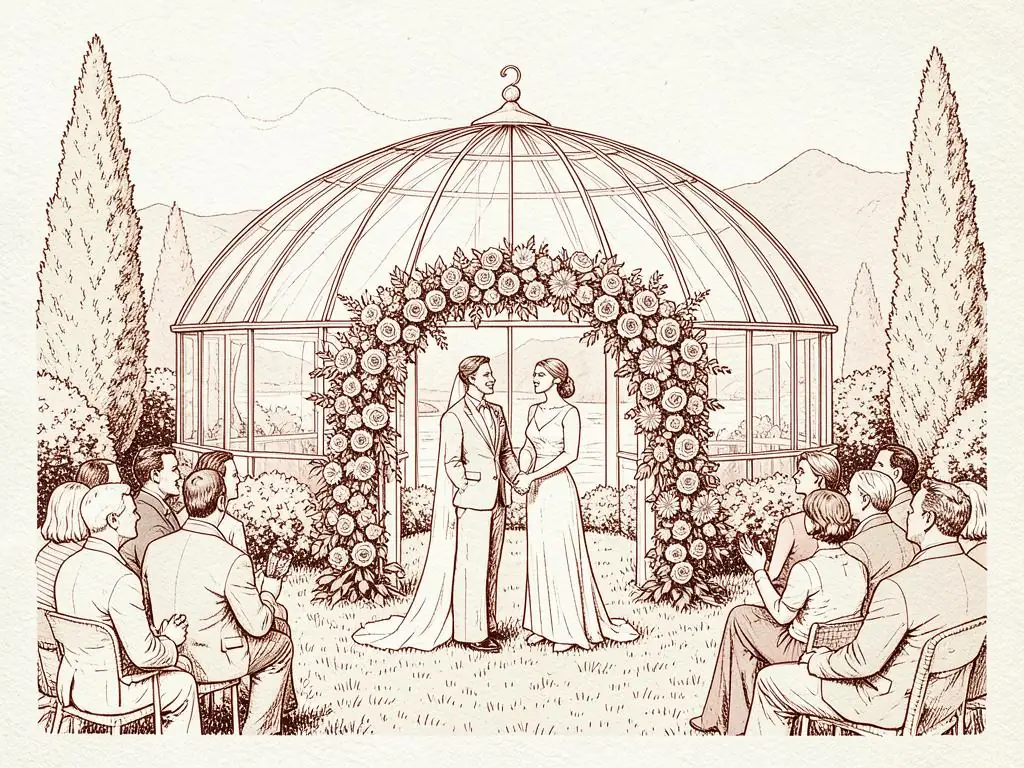
Say it here
Weddings
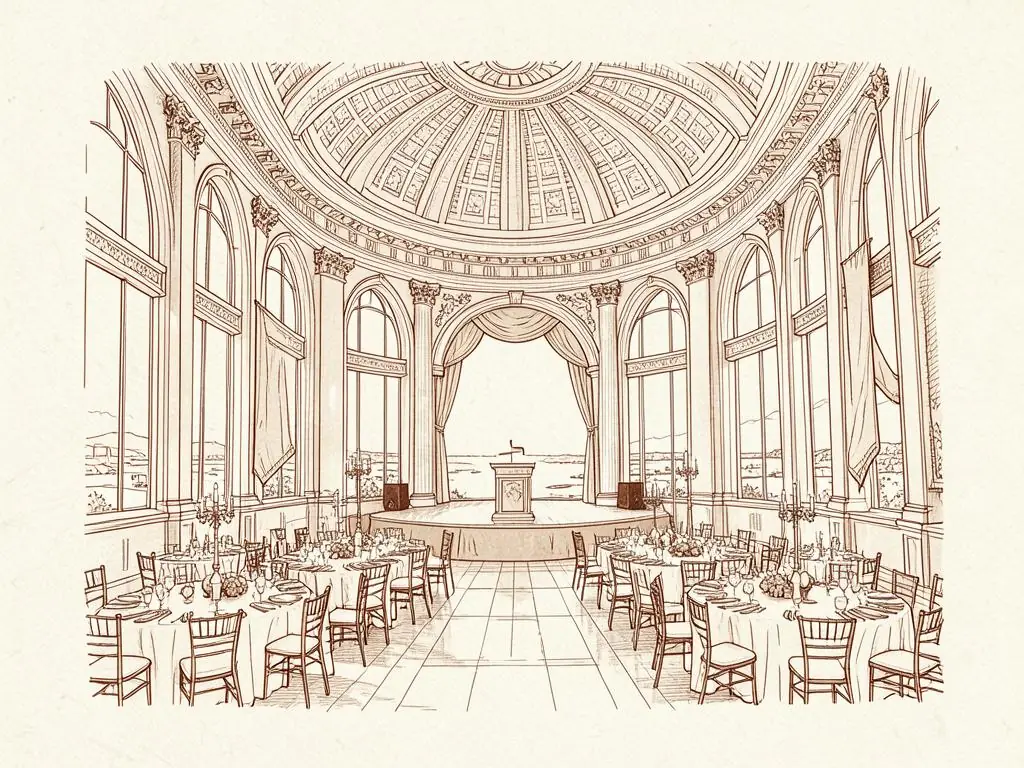
Book the room
Event Spaces
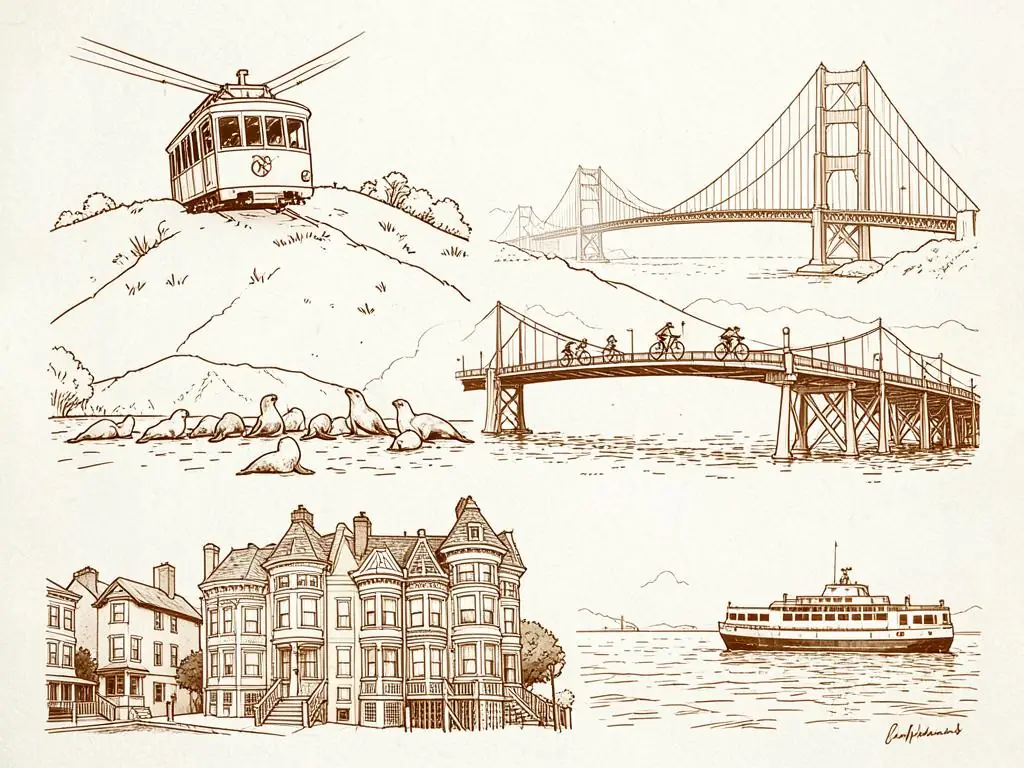
Experiences
100 Other Things To Do
San Francisco explained
Hour-by-hour plans drawn by hand — pick one and follow it from first coffee to last call.
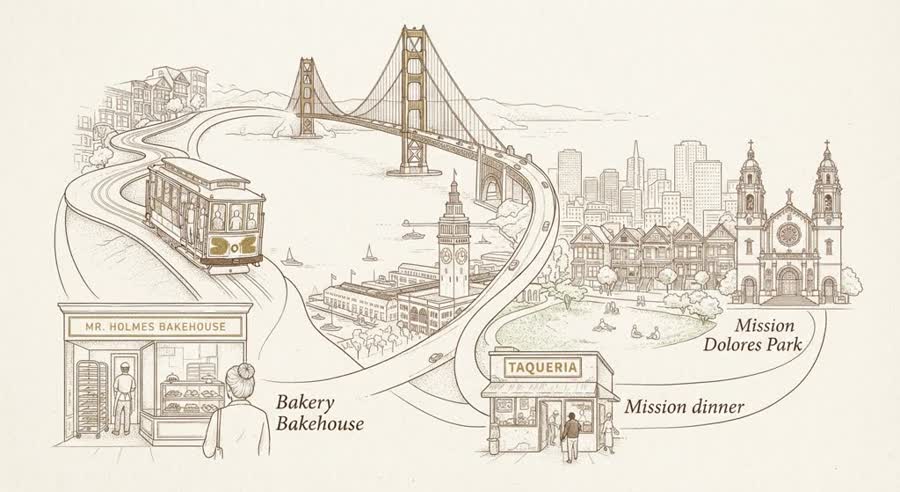
24 Hours in San Francisco
A tight loop through the bakery classics, the bridge, the Ferry Building and a proper Mission dinner.
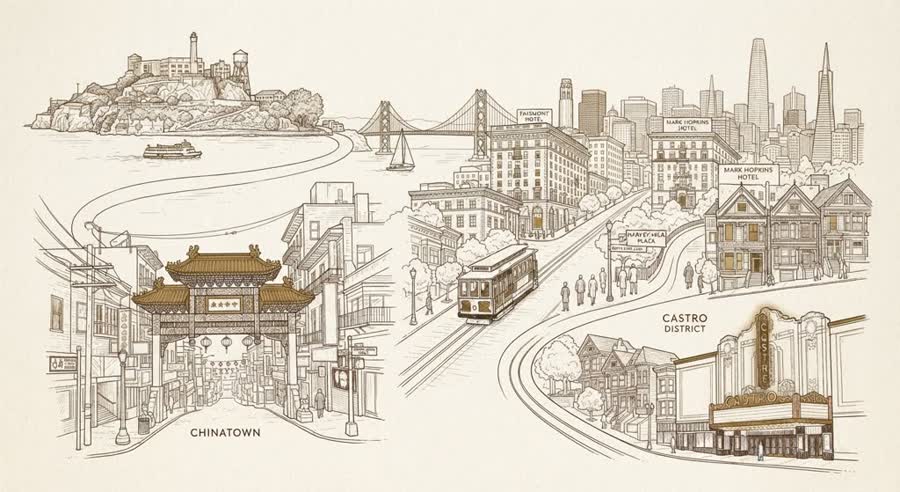
48 Hours in San Francisco
Two full days from Alcatraz and Chinatown to Nob Hill nightlife and a Castro nightcap.
San Francisco travel guide
The practical layer: when to come, how to arrive, how to move, where to base yourself and what it costs.
Best time to visit
September and October bring the city's clearest, warmest weather once the summer fog lifts, making them the best months for waterfront dining and Golden Gate Park.
Getting in
San Francisco International Airport (SFO) is about 30 to 45 minutes from downtown. BART trains run directly into the city centre for around $10 and take roughly 30 minutes; a taxi or rideshare costs $45 to $65 depending on traffic. Oakland International (OAK) is a workable alternative with similar BART access.
Getting around
Downtown, the Mission, and North Beach are compact and walkable, though the hills are real. Muni buses, streetcars and the cable cars cover most neighbourhoods, and BART connects downtown to the East Bay and the airport. Skip renting a car in the city itself — parking is scarce and expensive, and break-ins are common; rent one only if you are heading to Marin, Napa or the coast.
What it costs
Mid-range hotel: $220 to $320 a night. Dinner for two at a good mid-range restaurant: $120 to $180. A single Muni fare is $2.50 to $3, and a short rideshare hop across downtown runs $12 to $18.
Where to stay
- Union Square
- Central for shopping and theatre, walking distance to Chinatown and the Financial District.
- The Mission
- Good for food and nightlife, popular with visitors who want a more local, less touristy base.
- Fisherman's Wharf / North Beach
- Close to the waterfront and cable car lines, suits first-time visitors and families.
- Hayes Valley
- Boutique shopping and restaurants, a quieter, walkable option near the Civic Center.
Traveller tips
- Book restaurant reservations exactly when they open — many top tables release on a rolling schedule weeks out and fill within minutes.
- Bring layers year-round; a sunny morning in the Mission can turn cold and foggy by afternoon just a mile away.
- Tipping runs 18 to 20% at restaurants; some now add an automatic service charge, so check the bill before doubling up.
- Many kitchens close on Mondays and Tuesdays, so confirm opening days before building an evening around one.
- Keep valuables out of sight in parked cars; vehicle break-ins are a genuine and frequent problem near tourist spots.
- The Powell-Hyde and Powell-Mason cable car lines queue for an hour or more midday; ride early morning or late evening instead.
The San Francisco calendar
The dates that actually move prices, crowds and opening hours.
April
Cherry Blossom Festival, Japantown
Two weekends of parades and food stalls; the Peace Plaza area gets genuinely crowded.
June
SF Pride
The last weekend in June takes over Market Street and the Civic Center; hotels sell out downtown.
August
Outside Lands, Golden Gate Park
Three days that fill the Sunset and Richmond; book west-side dinners well ahead.
September
Fleet Week & the city's warmest weeks
The fog lifts, the waterfront fills, and Marina-side patios finally make sense.
October
Hardly Strictly Bluegrass
Free festival in Golden Gate Park in early October — arrive by mid-morning for a spot.
December
Holiday windows & Union Square ice rink
Downtown is at its liveliest of the winter; restaurant demand shifts to the centre.
Seasonal highlights
- Spring (Mar–May)
- Green hills, clear mornings, wildflowers in the Marin Headlands before the summer fog sets in.
- Summer (Jun–Aug)
- The coldest, foggiest stretch in the city proper — bring layers and head inland for warmth.
- Autumn (Sep–Oct)
- The local secret: the warmest, clearest weeks of the year and the best outdoor dining.
- Winter (Nov–Feb)
- Rain-season storms between bright, sharp days; the quietest time for restaurants and museums.
Off-peak intel
- September and October are both the best weather and easier to book than midsummer.
- January and February bring the lowest room rates and same-week tables at otherwise impossible restaurants.
- Mondays and Tuesdays close many kitchens — check before you build an evening around one.
- Skip the car: parking and break-ins are the two most reliable costs of driving here.