

Now in Paris
Fashion Week
Womenswear · Spring/Summer 2027
September 28 — October 6, 2026
The shows, presentations and nights that matter
The complete official womenswear calendar, the major-house schedule, public watch parties, pop-ups and independently ticketed after-hours events — arranged day by day.
Most official runway addresses are private and released only to invitees. KEY2 never guesses a venue.
Paris Guide
Twenty arrondissements in a spiral, where the best meal of the trip is usually the one you booked three weeks ago.
Paris rewards planning at two points only: restaurant reservations and museum time slots. Everything else is walking. Most kitchens serve 12:30–2:00pm and 7:30–10:30pm and close in between, and much of the city takes August off — check that your list is actually open before you build a day around it.
Share this guide
Live from Paris
Latest news & events
Fresh Paris stories and events are on the way — check back soon.
The Seine and the arrondissements that matter
Illustrated
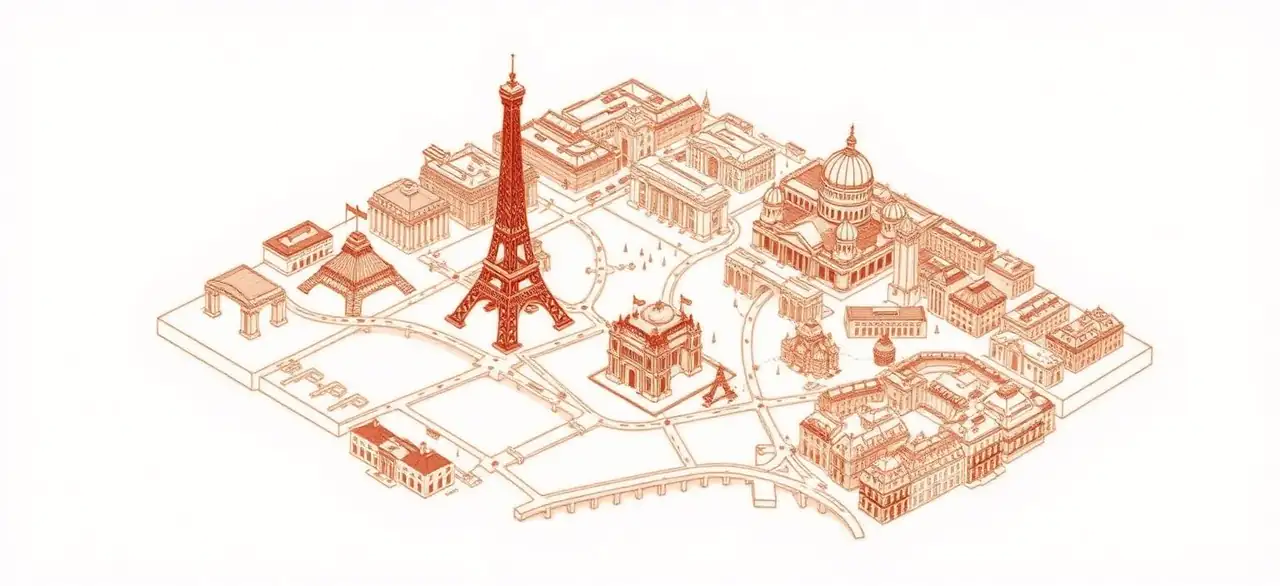
Drawn by hand for the KEY2 Paris guide
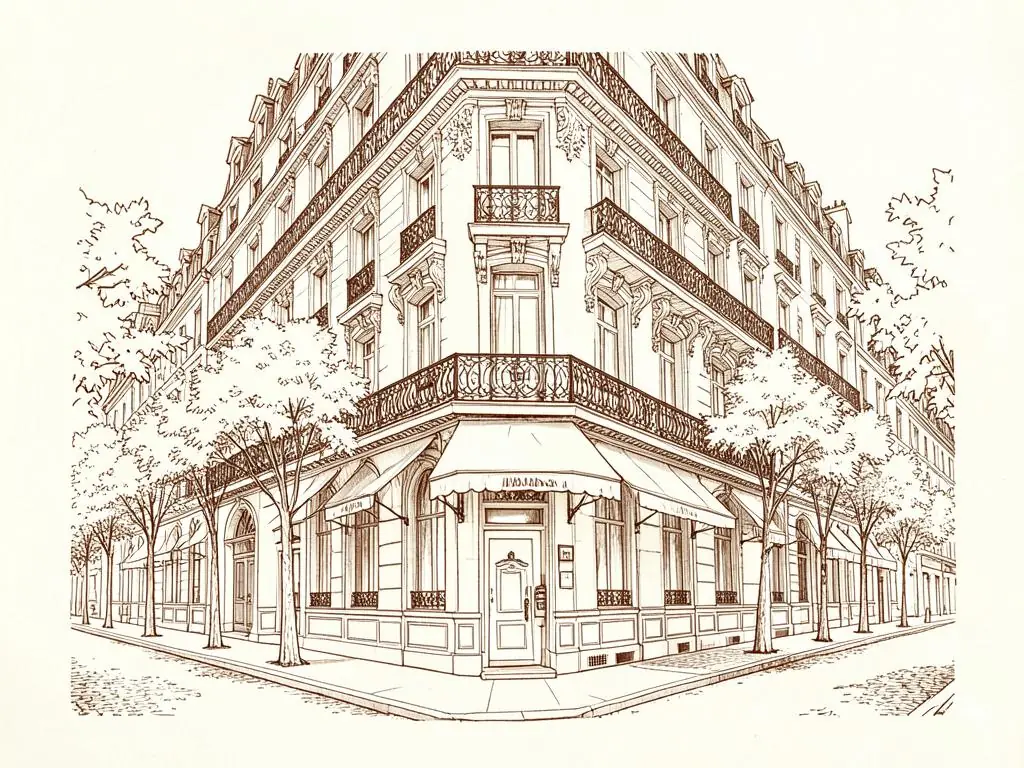
Where to stay
Hotels
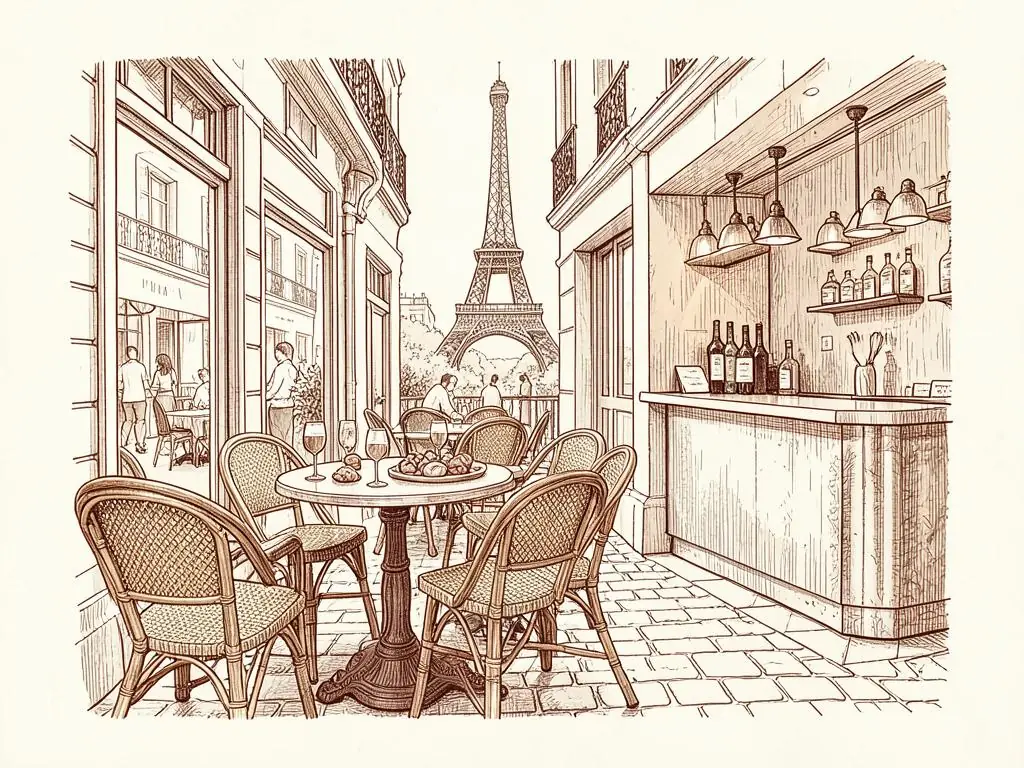
The KEY2 list
Happy Hour
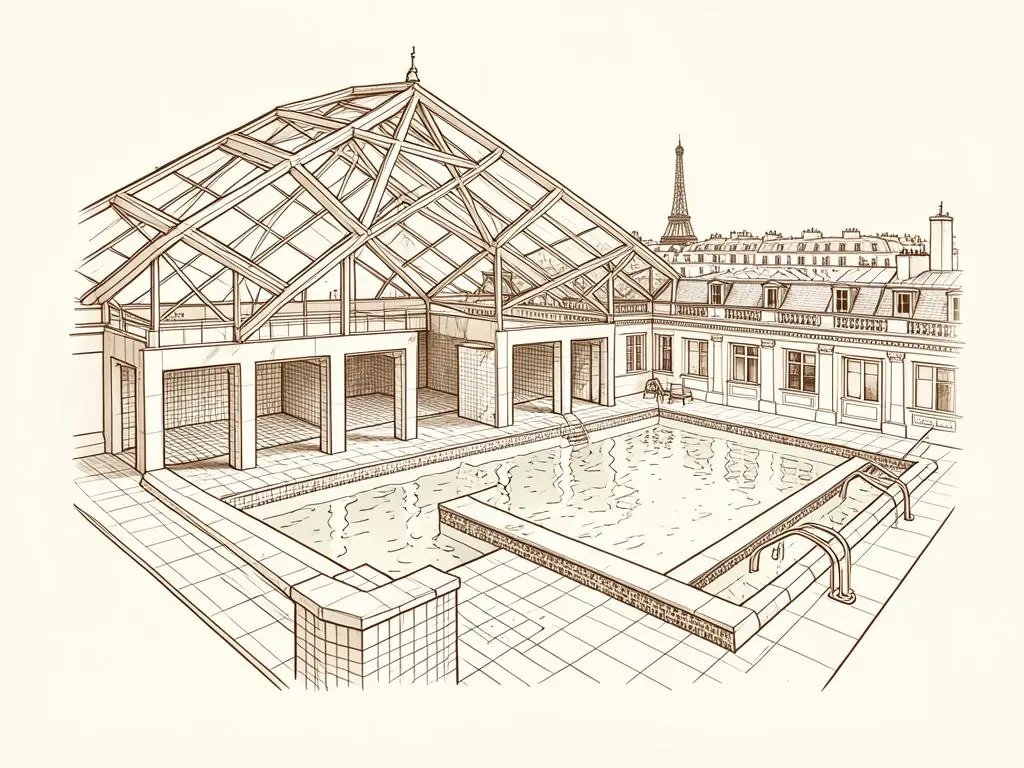
Daylight
Hotel Pools & Pool Clubs
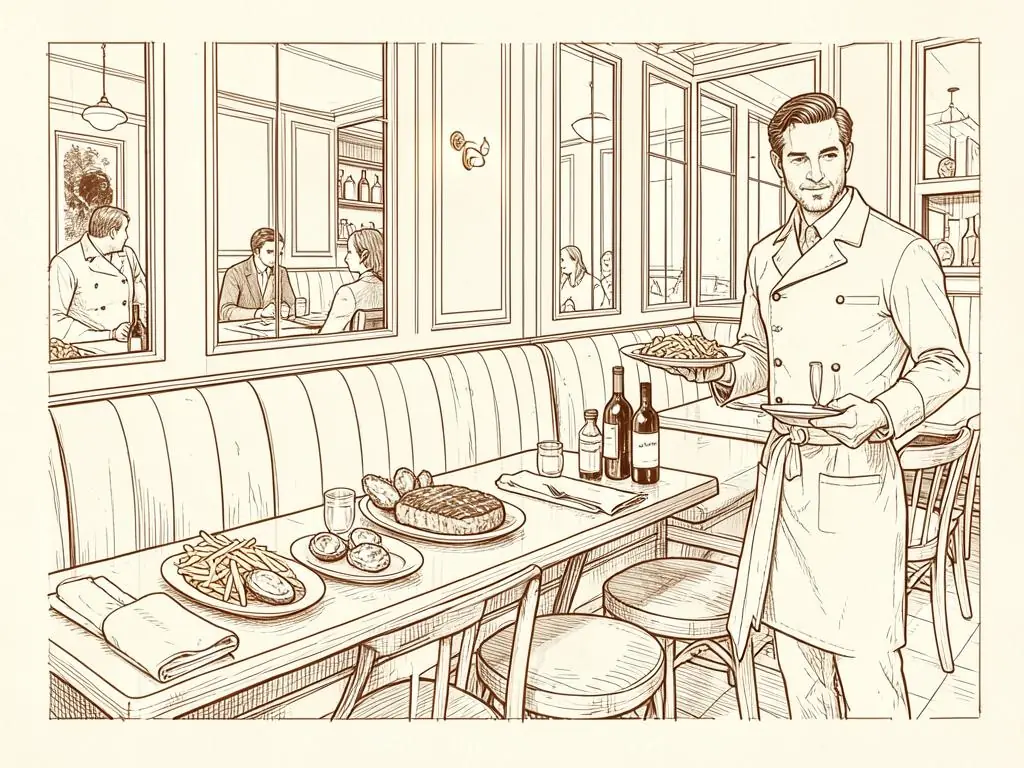
Eat
Best Food
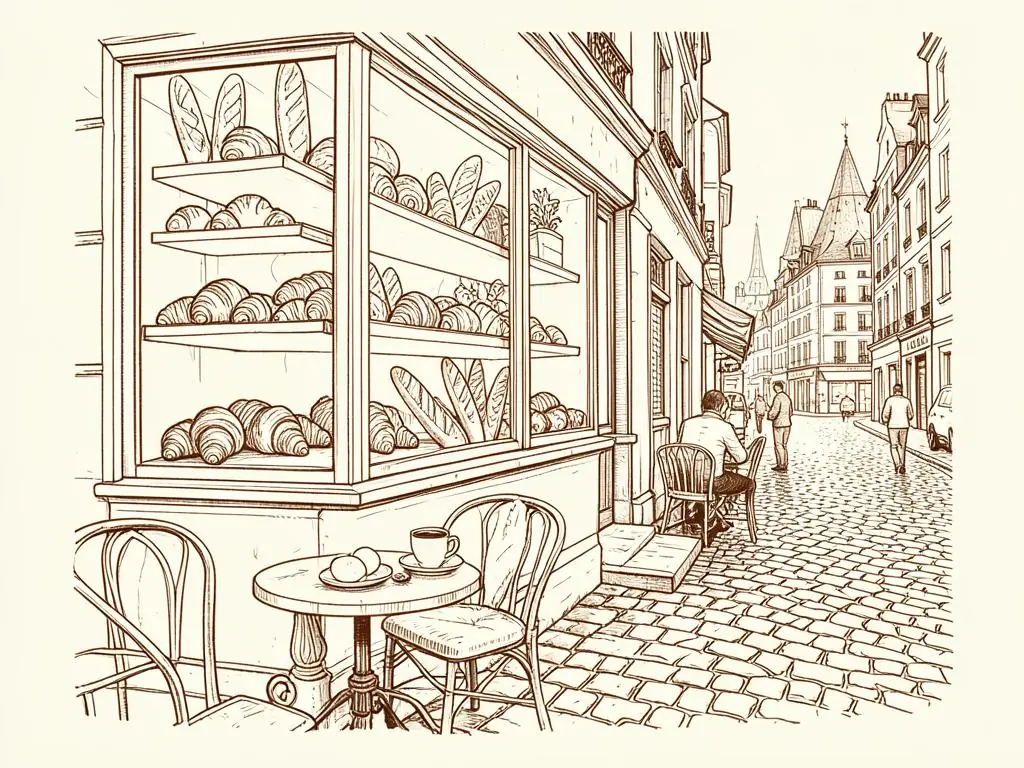
Mornings
Breakfast & Brunch
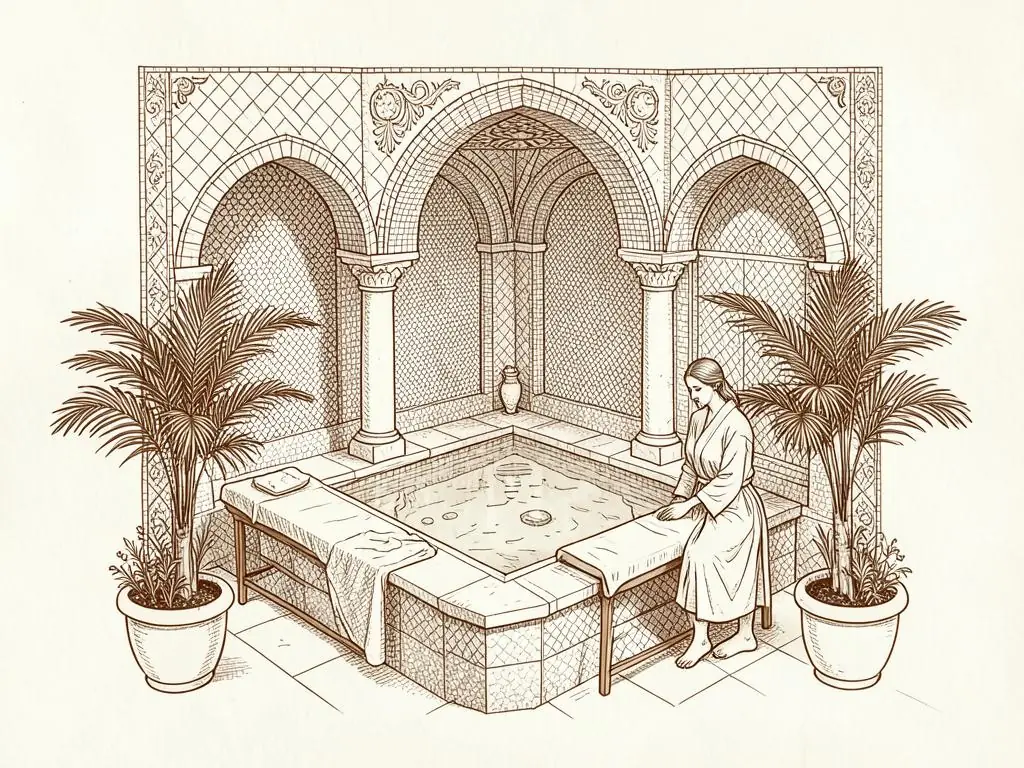
Recover
Health & Wellness
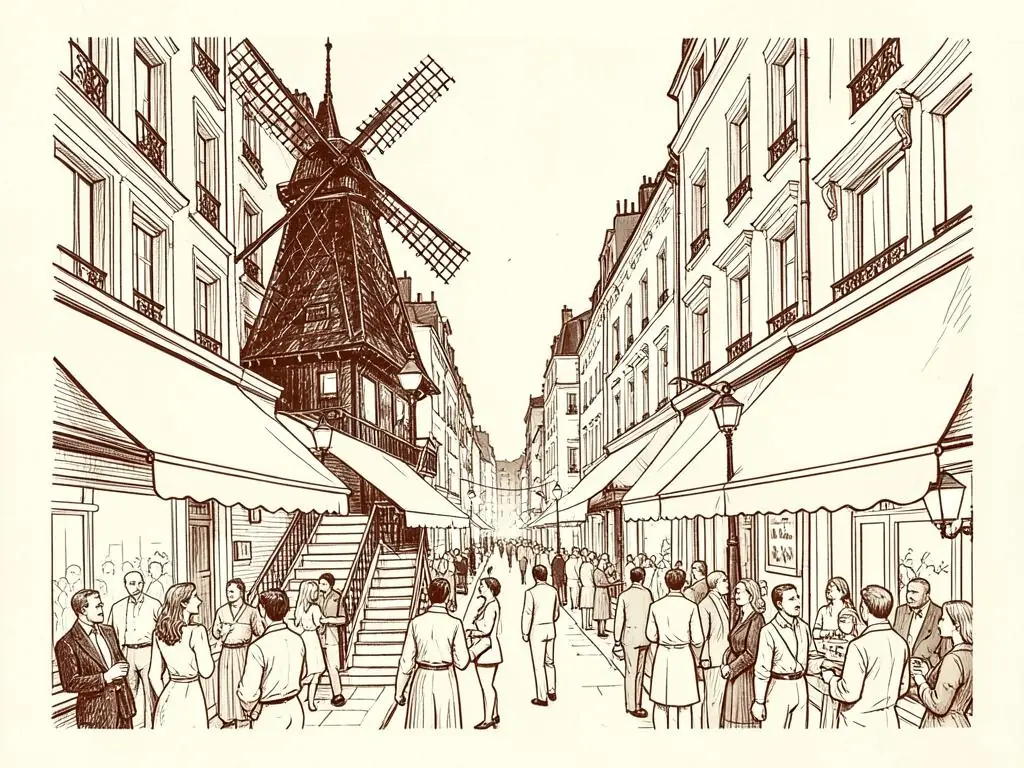
After dark
Nightlife
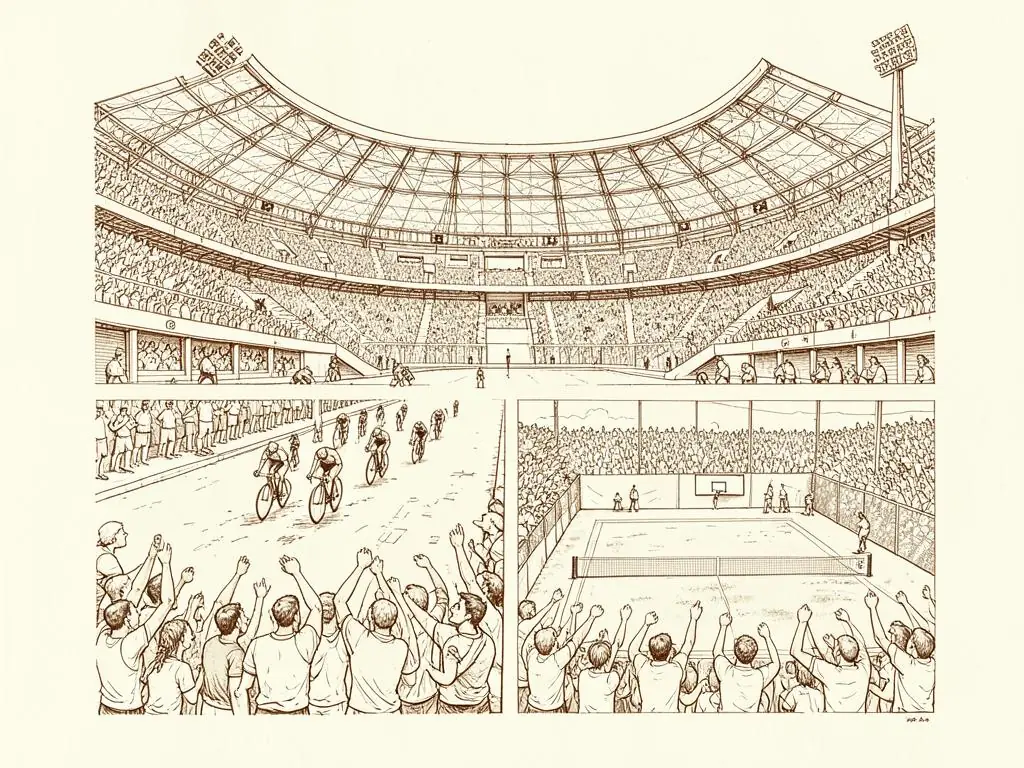
Arenas
Sports
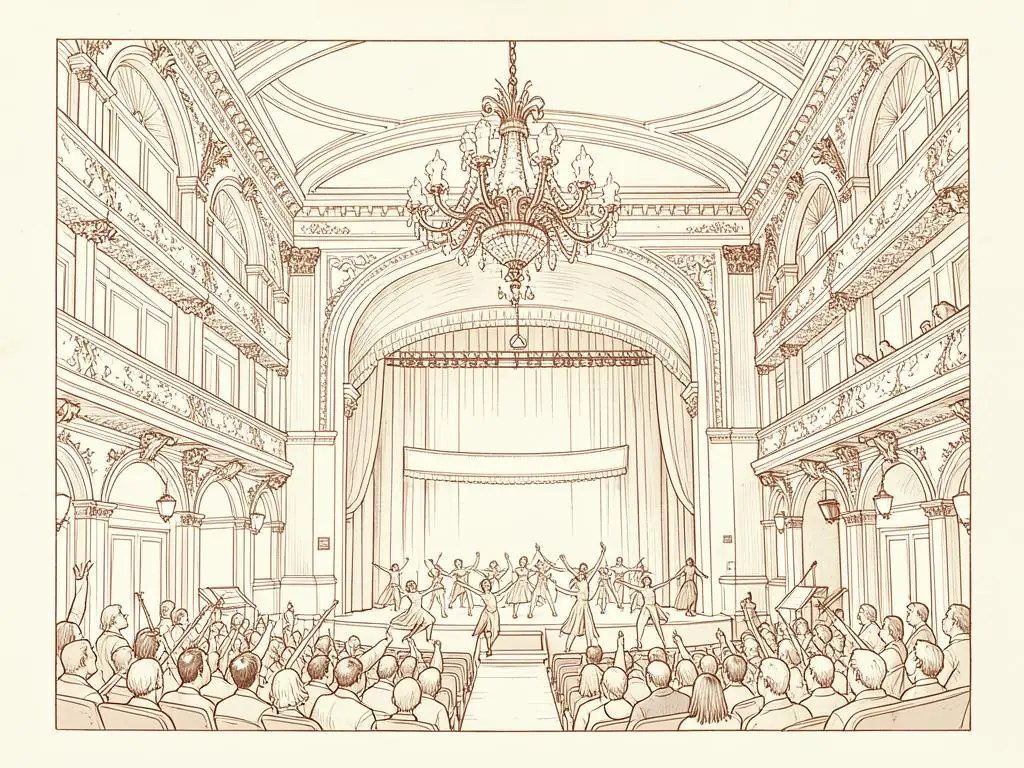
Tonight
Concerts & Comedy
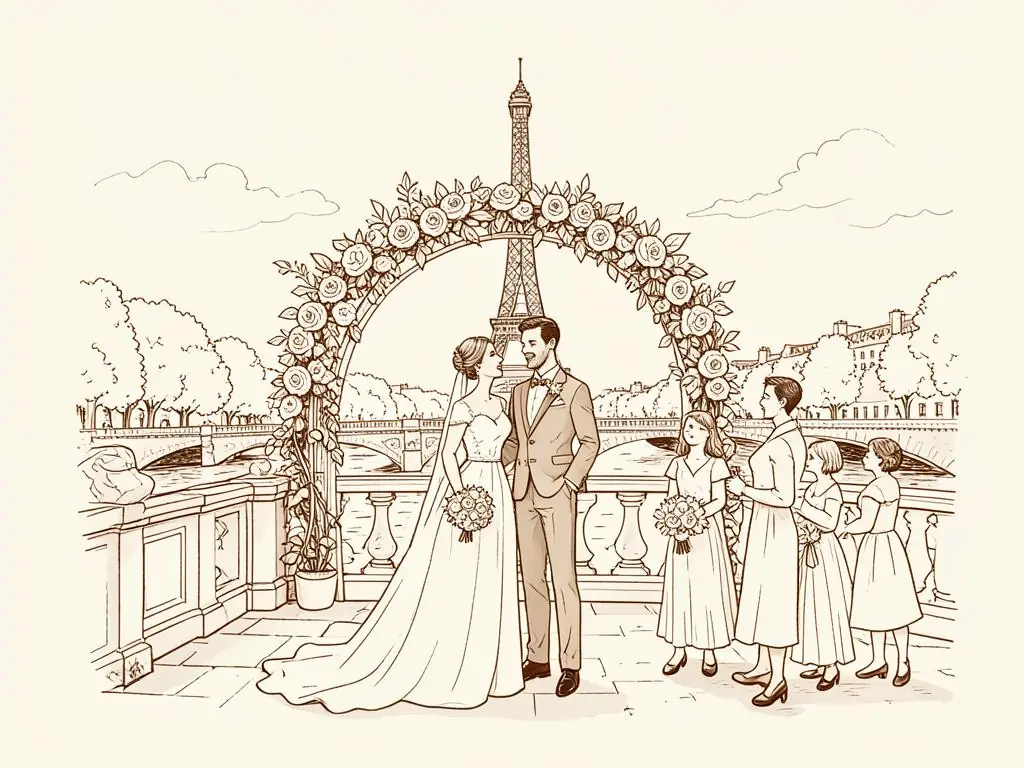
Say it here
Weddings
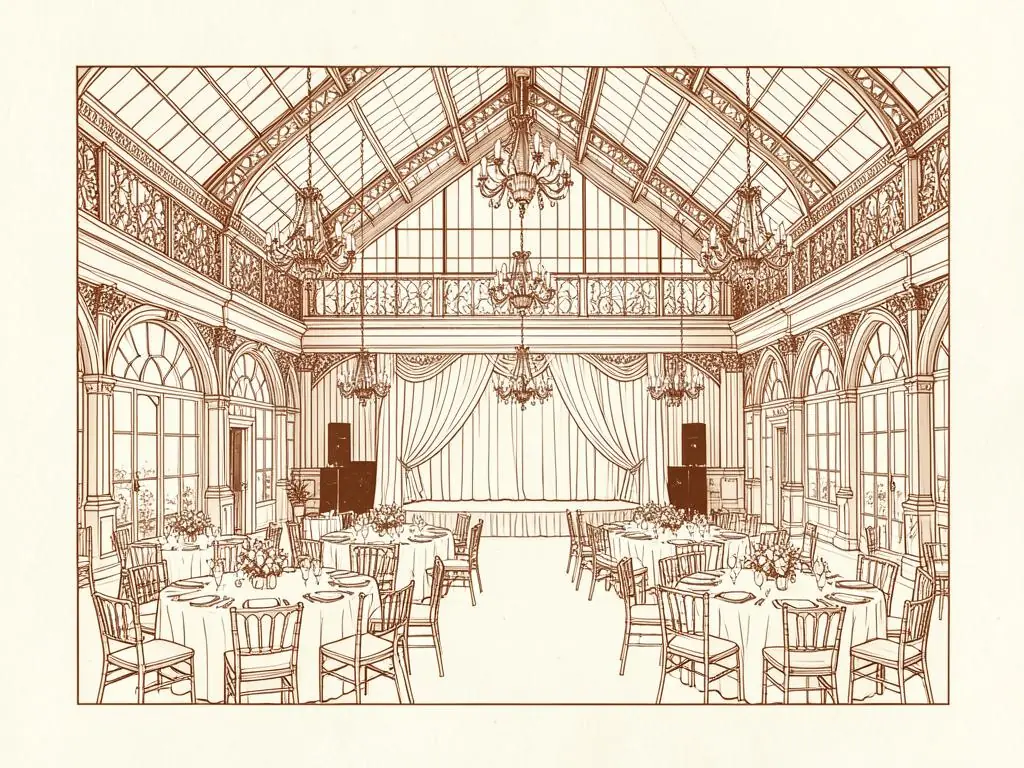
Book the room
Event Spaces

Experiences
100 Other Things To Do
Paris explained
Hour-by-hour plans drawn by hand — pick one and follow it from first coffee to last call.
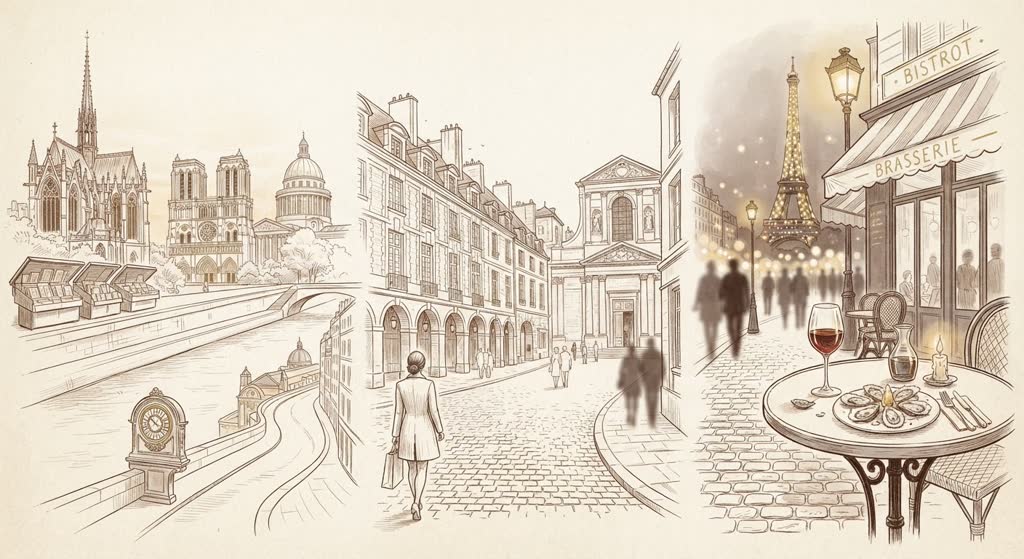
One Perfect Day in Paris
Left Bank morning, Marais afternoon, and a bistro table that runs late.
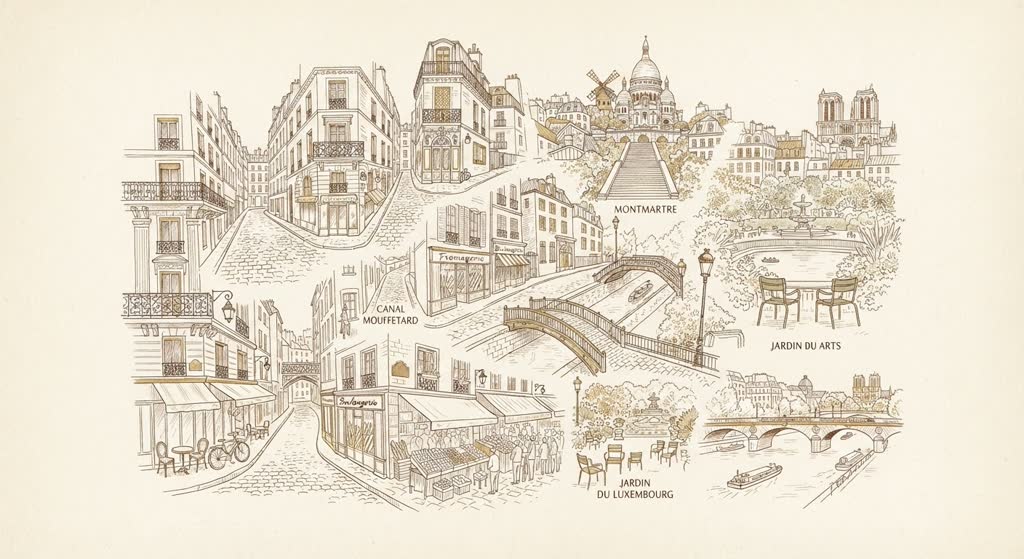
Paris Without the Queues
Three days built around neighbourhoods rather than monuments.
Paris travel guide
The practical layer: when to come, how to arrive, how to move, where to base yourself and what it costs.
Best time to visit
Late April to June and September to October bring mild weather, blooming parks or turning leaves, and noticeably shorter queues than the crowded July–August peak, when many local restaurants also close for holidays.
Getting in
Charles de Gaulle (CDG) links to central Paris via the RER B train (around €11.80, 35–50 minutes to Châtelet–Les Halles) or the Roissybus; Orly (ORY) connects via the Orlybus or the Orlyval-RER combination. A taxi from either airport to the centre runs a flat rate of roughly €56–65 depending on the bank of the river, taking 30–60 minutes in traffic.
Getting around
The Métro's 16 lines make almost anywhere reachable within 30 minutes for a single €2.15 ticket (cheaper in batches or with a Navigo Easy card); it closes around 1am (2am weekends). The city rewards walking between arrondissements, and the Vélib' bike-share network is dense and cheap for short hops, while taxis and Uber are best reserved for late-night or luggage-heavy trips.
What it costs
Mid-range hotel doubles run €160–260 a night; dinner for two at a mid-range bistro with wine is €80–120; a single Métro ticket is €2.15, and a short taxi hop across the centre is €15–25.
Where to stay
- Le Marais (3rd/4th)
- Historic, walkable district with boutiques and nightlife, close to Place des Vosges and the Seine.
- Saint-Germain-des-Prés (6th)
- Elegant Left Bank neighbourhood near the Luxembourg Gardens, favoured for classic Parisian cafés.
- Montmartre (18th)
- Hillside village feel around Sacré-Cœur, atmospheric but hilly and busier with tour groups by day.
- Canal Saint-Martin (10th)
- Younger, local-feeling quarter with canal-side bars, a short Métro ride from the centre and better value.
Traveller tips
- Reserve well-known restaurants and any Louvre or Eiffel Tower time slots online — walk-ins often mean long queues.
- A polite 'Bonjour' on entering any shop or café is expected before making a request; skipping it reads as rude.
- Service is included by law (service compris), so tipping is rounding up or leaving a couple of euros for good service, not a percentage.
- Many restaurants and small shops close on Sundays and Mondays, and much of the city shuts down for August holidays.
- Pickpocketing is a real risk on the Métro (especially Line 1) and around major sights — keep bags zipped and to the front.
- Plugs are the two-round-pin Europlug (Type C/E) at 230V, so UK and US visitors need an adapter.
The Paris calendar
The dates that actually move prices, crowds and opening hours.
January
Haute couture week & the winter soldes
Six weeks of official sales start mid-January; hotel rates in the 1st and 8th spike during couture.
May
Roland-Garros build-up
The French Open runs late May into early June; the 16th and Boulogne fill up.
June
Fête de la Musique, 21 June
Free music on every corner until the small hours — the one night the whole city is outside.
July
Bastille Day & Paris Plages
14 July fireworks at the Trocadéro; the Seine quays turn into beaches through August.
September
Fashion Week & Journées du Patrimoine
Private hôtels particuliers open free for one weekend; book restaurants far ahead.
December
Marchés de Noël and department-store windows
Boulevard Haussmann is packed from late November; museums are the calm option.
Seasonal highlights
- Spring (Apr–Jun)
- Chestnut blossom, long light until 10:00pm in June, terraces genuinely usable.
- Summer (Jul–Aug)
- Warm, emptier of Parisians, fuller of visitors; many neighbourhood restaurants close for weeks.
- Autumn (Sep–Oct)
- The locals' favourite: markets at their best, museums quieter, no heat.
- Winter (Nov–Mar)
- Grey and short-dayed, but this is bistro, opera and wine-bar season, and rates fall hard in January.
Off-peak intel
- Late January to mid-March is the cheapest Paris of the year and the easiest for walk-in tables.
- Book the Louvre and Musée d'Orsay for the first slot or the late evening opening, never midday.
- Sunday lunch is a real institution and much easier to book than Friday or Saturday dinner.
- Most museums close Monday or Tuesday — check before you plan a culture day.