
London Guide
A collection of villages that grew together — walk between two of them and the city changes character.
Distances look larger on a Tube map than they are on foot; central London rewards walking and confuses drivers with the congestion and ULEZ charges. Kitchens close earlier than in southern Europe, and Sunday is for roasts rather than late dinners.
Share this guide
Live from London
Latest news & events
Fresh London stories and events are on the way — check back soon.
Zone 1 and the neighbourhoods that matter
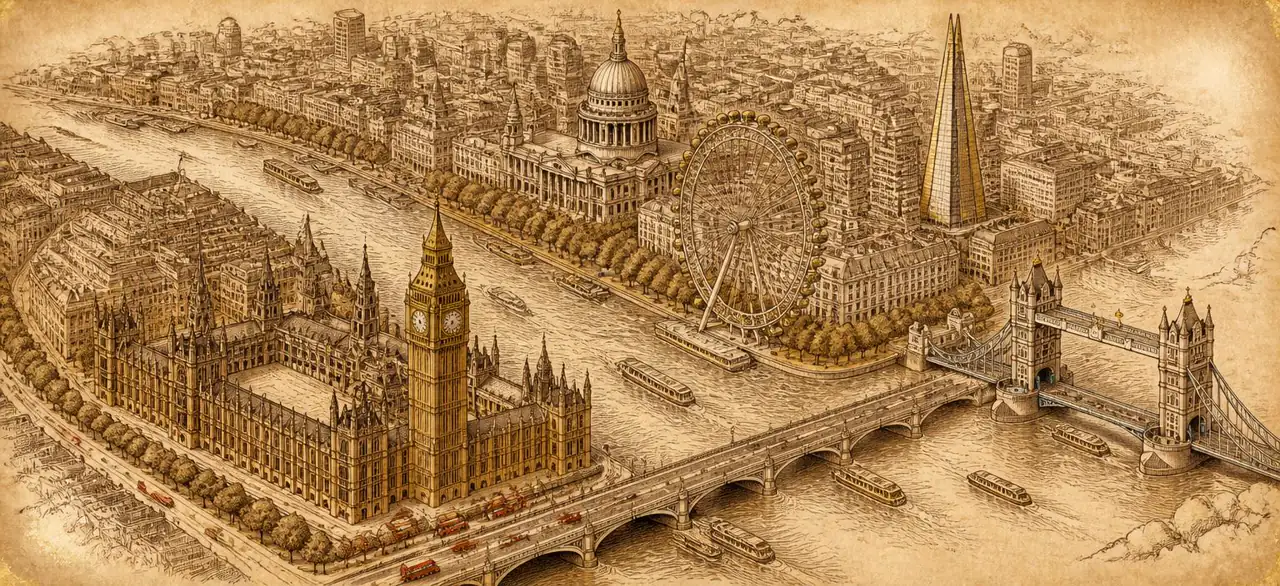
Switch to interactive to tap neighbourhoods, landmarks and value tables
Neighbourhoods
- SohoSmall rooms, no-booking counters, late bars
- MayfairTasting menus, hotel bars, galleries
- Covent GardenTheatre district, steak and curry houses
- ShoreditchCocktail bars, rooftops, markets
- Borough & BanksideBorough Market, riverside walks
- South BankTheatres, the Eye, river terraces
- Notting HillPortobello, quiet fine dining
- Clerkenwell & SmithfieldBritish cooking, old market halls
- King's CrossCoal Drops Yard, Granary Square
- BrixtonMarket kitchens, live music
Landmarks
- Big Ben & Westminster
- Buckingham Palace
- London Eye
- Tower Bridge
- Tower of London
- St Paul's Cathedral
- The Shard
- British Museum
- Trafalgar Square
- Hyde Park
- Camden Market
- Greenwich Observatory
Best-value tables
- Padella, Borough Market£ · Hand-rolled pasta, most plates under £12
- Flat Iron, Covent Garden£ · Steak with dripping chips around £14
- Franco Manca, Brixton£ · Sourdough pizza from about £8
- Dishoom, Covent Garden££ · Bombay café cooking, breakfast to late
- Hoppers, Soho££ · Sri Lankan hoppers and short eats
- Kiln, Soho££ · Thai grill, counter seats walk-in only
- St. JOHN, Smithfield£££ · The British classic; set lunch is the deal
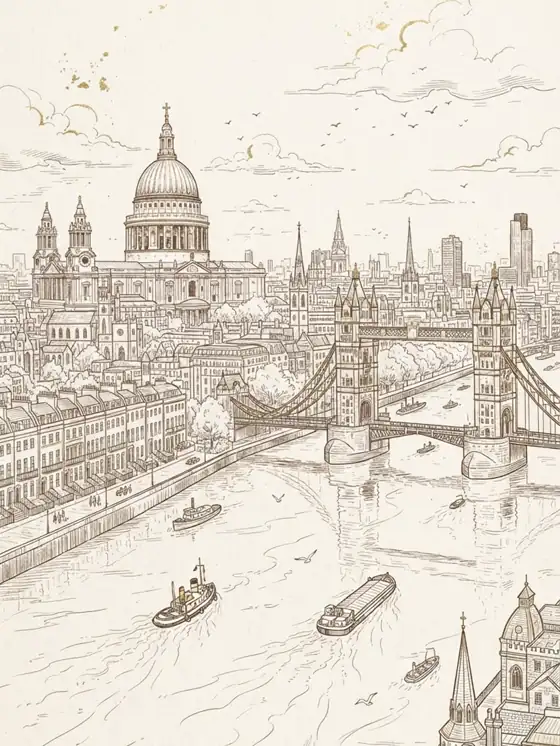
Where to stay
Hotels
The KEY2 list
Happy Hour

Daylight
Hotel Pools & Pool Clubs
Eat
Best Food
Mornings
Breakfast & Brunch

Recover
Health & Wellness
After dark
Nightlife
Arenas
Sports
Tonight
Concerts & Comedy

Say it here
Weddings
Book the room
Event Spaces

Experiences
100 Other Things To Do
London explained
Hour-by-hour plans drawn by hand — pick one and follow it from first coffee to last call.
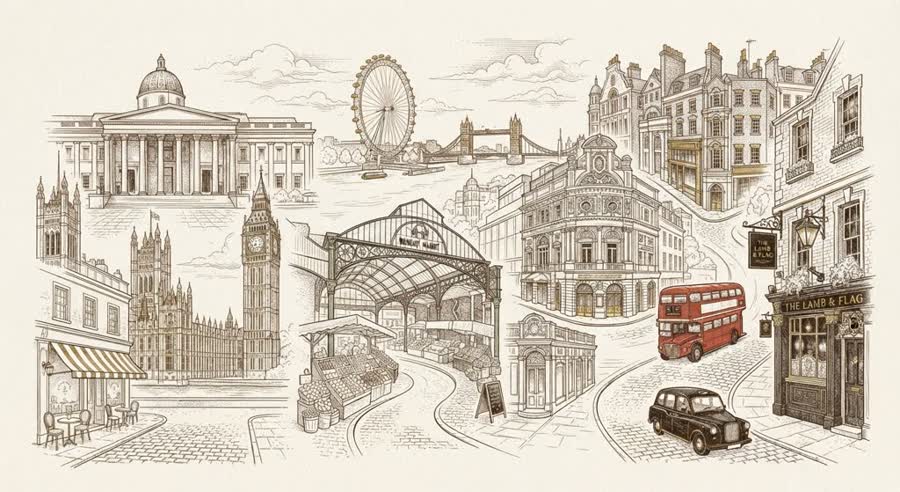
24 Hours in London
A single day covering breakfast, a museum, market grazing, dinner and a classic London bar.
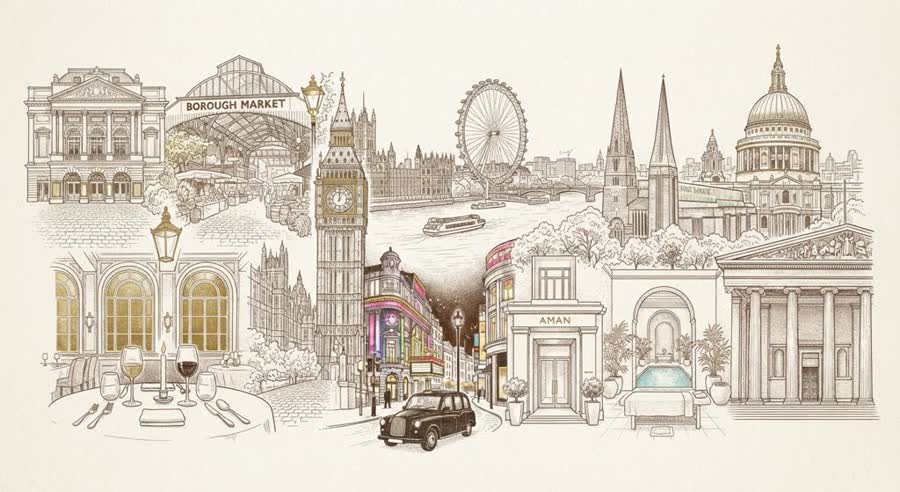
48 Hours in London
Two days pairing fine dining and culture with markets, nightlife and a spa reset.
London travel guide
The practical layer: when to come, how to arrive, how to move, where to base yourself and what it costs.
Best time to visit
Late spring (May-June) and early autumn (September) offer the best balance of daylight, mild temperatures and manageable crowds, avoiding both peak summer tourist numbers and the darkest winter days.
Getting in
Heathrow (LHR) is the main hub, about 45 to 60 minutes from central London on the Elizabeth line (around £12.80) or the pricier Heathrow Express (from £25). Gatwick (LGW), Stansted (STN) and Luton (LTN) connect via the Gatwick Express, Stansted Express or Thameslink respectively, each taking 45 minutes to an hour. Black cabs and rideshare from Heathrow to central London cost £60 to £90 depending on traffic.
Getting around
The Underground (Tube) covers most of the city and is the fastest way to move between zones; pay by contactless card or Oyster, capped daily around £8.50 for Zones 1-2. Central London is highly walkable and buses are useful for scenic above-ground routes. Renting a car is unnecessary and impractical given the Congestion Charge and limited parking.
What it costs
Mid-range hotel: £180 to £280 a night. Dinner for two: £80 to £130. A single Tube fare in Zones 1-2 is capped around £2.80 off-peak; a short black cab ride runs £15 to £25.
Where to stay
- Covent Garden / Soho
- Central for theatre, shopping and nightlife, walkable to most major sights.
- South Kensington
- Quieter, elegant streets near the museums, good for families.
- Shoreditch
- East London's creative hub, best for nightlife and a younger, design-focused crowd.
- Notting Hill
- Residential and charming, close to Portobello Market, a calmer base with good transport links.
Traveller tips
- Book West End theatre tickets and popular restaurant tables at least a few days ahead, especially on weekends.
- Tipping is not automatic; 10 to 12.5% is appreciated at restaurants but not expected in pubs or cafes.
- Many museums, including the British Museum and Tate Modern, are free to enter, though special exhibitions charge admission.
- Standard plugs are the three-pin type G, different from mainland Europe and the US, so bring an adapter.
- Sunday trading hours are shorter for larger shops, typically 11am to 5pm.
- Carry an umbrella regardless of season; rain can appear with little warning even on forecast-clear days.
The London calendar
The dates that actually move prices, crowds and opening hours.
January
Sales and the quietest weeks
The cheapest hotel rates of the year and same-week tables at restaurants booked solid in December.
May
RHS Chelsea Flower Show
Late May fills Chelsea and Belgravia; the surrounding restaurants book out for the week.
June
Wimbledon build-up & royal season
Trooping the Colour, Royal Ascot and the start of long, light evenings in the parks.
July
Wimbledon & summer festivals
Two weeks of tennis in SW19 plus Hyde Park concert season; south-west London hotels spike.
August
Notting Hill Carnival
August bank holiday weekend closes much of W11; plan around it or into it.
December
Christmas markets & pantomime season
Southbank and Hyde Park Winter Wonderland; the West End is at its busiest of the year.
Seasonal highlights
- Spring (Mar–May)
- Parks in blossom, mild days, and the shoulder-season pricing before the summer rush.
- Summer (Jun–Aug)
- Light until 9:30pm, pub gardens and rooftop season — also peak tourist volume.
- Autumn (Sep–Oct)
- The local favourite: warm-ish, golden parks, full theatre and gallery calendar, fewer crowds.
- Winter (Nov–Feb)
- Dark by 4pm and often wet, but the museums, pubs and hotel rates are all at their best.
Off-peak intel
- January and February are the cheapest and least crowded months by a wide margin.
- Museums are free and quietest right at opening or after 4pm on weekdays.
- Book Sunday and Monday nights for tables that are impossible on Thursday and Friday.
- Skip the car entirely — the congestion charge, ULEZ and parking cost more than the Tube for a week.