
Bora Bora Guide
A single volcanic peak ringed by a turquoise lagoon, where the resort you pick decides which motu you live on.
Bora Bora has almost no downtown to speak of — Vaitape is a handful of shops and a ferry dock, and most life happens on the private motus ringing the lagoon or along the Matira Point stretch of the main island. Getting between properties usually means a resort boat rather than a road, so factor transfer times into any evening plans, and expect island time to genuinely slow the pace of everything from dinner reservations to boat pickups.
Share this guide
Live from Bora Bora
Latest news & events
Fresh Bora Bora stories and events are on the way — check back soon.
The lagoon and its motu, end to end
Illustrated
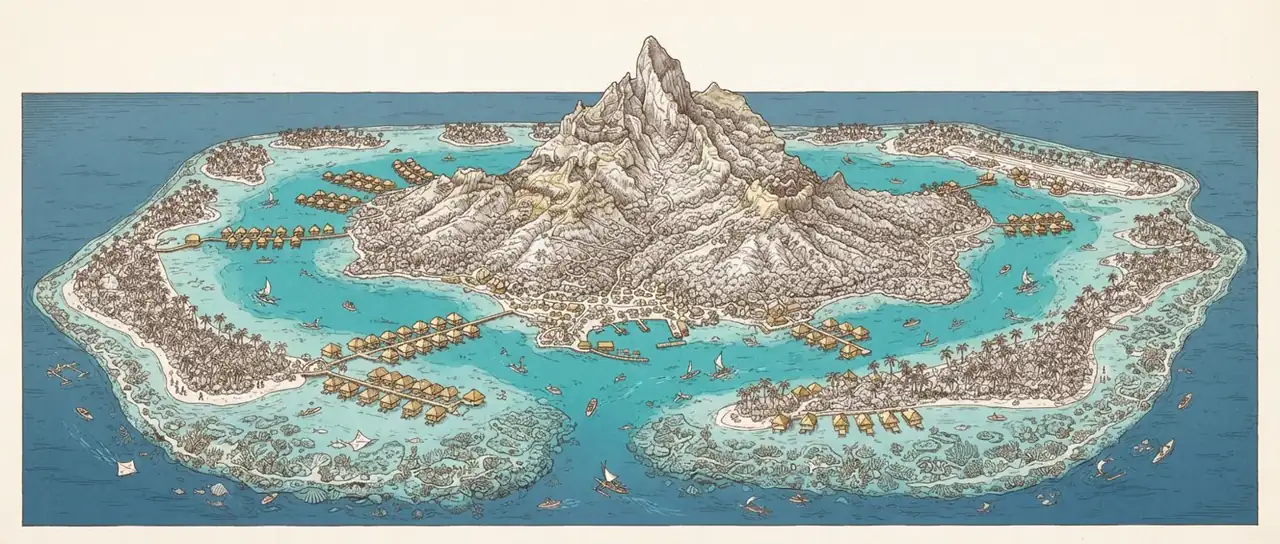
Drawn by hand for the KEY2 Bora Bora guide
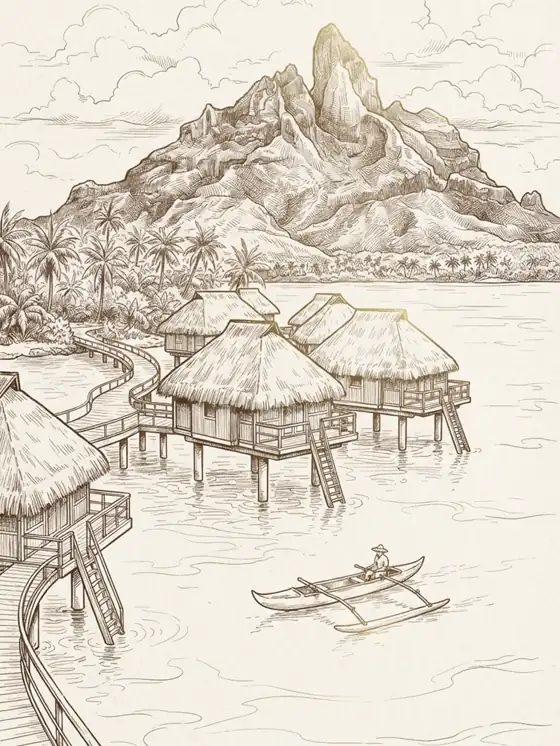
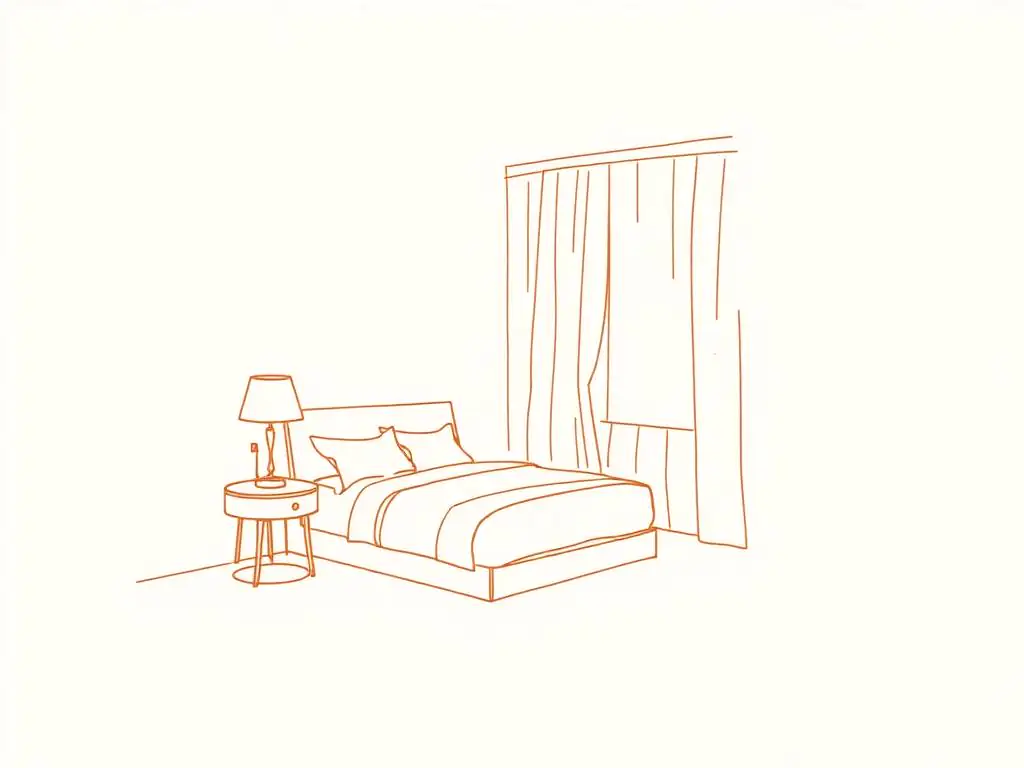
Where to stay
Hotels
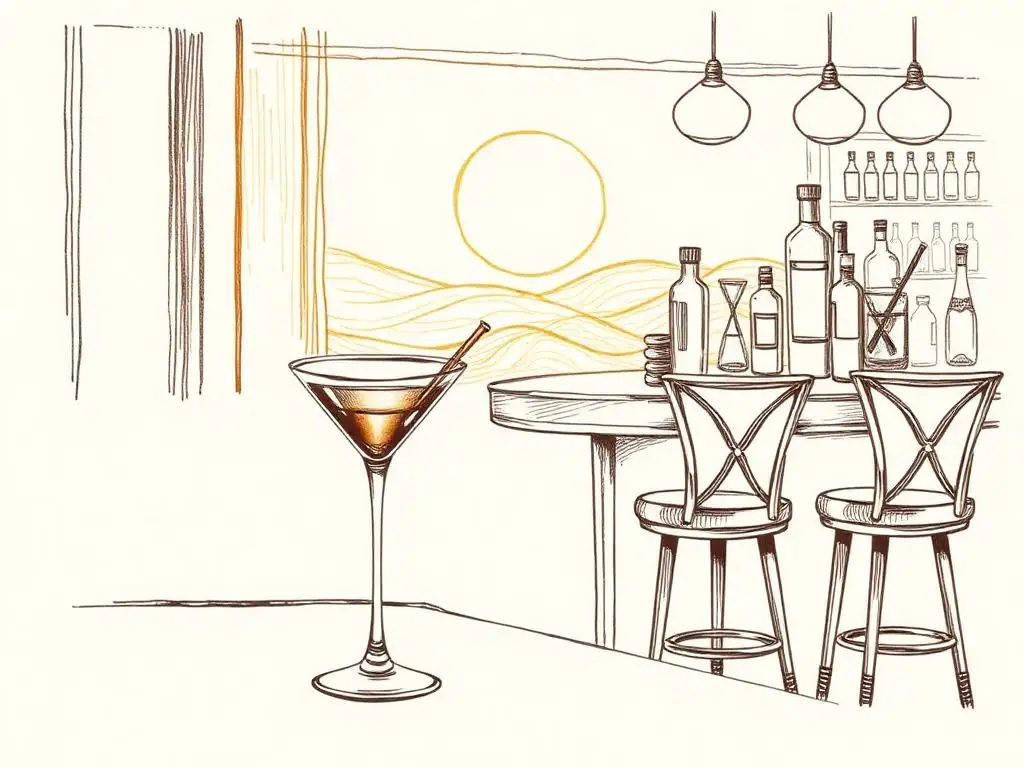
The KEY2 list
Happy Hour
Daylight
Hotel Pools & Pool Clubs

Eat
Best Food

Mornings
Breakfast & Brunch
Recover
Health & Wellness
After dark
Nightlife
Arenas
Sports

Tonight
Concerts & Comedy

Say it here
Weddings
Book the room
Event Spaces

Experiences
100 Other Things To Do
Bora Bora explained
Hour-by-hour plans drawn by hand — pick one and follow it from first coffee to last call.
24 Hours in Bora Bora
A single lagoon-focused day from a snorkelling safari to sunset at Bloody Mary's.
48 Hours in Bora Bora
Two days pairing an overwater spa and 4x4 mountain tour with the island's best lagoon dining.
Bora Bora travel guide
The practical layer: when to come, how to arrive, how to move, where to base yourself and what it costs.
Best time to visit
May through October is the dry season with the calmest lagoon conditions for snorkeling and diving; April, May, September and October offer similar weather with fewer visitors and lower rates than the June–August peak.
Getting in
There are no direct international flights to Bora Bora; visitors fly into Tahiti's Faa'a International Airport (PPT) and connect via a roughly 50-minute Air Tahiti flight to Bora Bora's Motu Mute airport. Most resorts then collect guests by private boat directly from the airport dock, a transfer usually included in stays at the larger properties.
Getting around
There are no cars for hire on most motus; movement between the airport, Vaitape and resort islands is entirely by boat. Guests staying on the main island can rent bicycles or scooters to reach Matira Beach and Vaitape, but overwater bungalow stays rely on the resort's own shuttle-boat schedule.
What it costs
Overwater bungalows at the top resorts run $1,200–$2,500 a night; dinner for two at a resort restaurant costs $150–250; a half-day lagoon excursion runs $100–180 per person.
Where to stay
- Private motus
- Home to nearly all the overwater bungalow resorts; total privacy but every trip off-property is a boat ride.
- Matira Point
- The main island's best public beach, with a mix of mid-range hotels and beachfront guesthouses.
- Vaitape
- The island's small commercial centre, useful for supplies but not a destination for a stay itself.
Traveller tips
- Book inter-island flights from Tahiti well ahead during July's Heiva festival and the June–August peak season.
- Pack reef-safe sunscreen; several lagoon tour operators will not allow other formulations in the water.
- Confirm your resort's airport boat transfer time in advance, as Motu Mute's dock schedule is tied to incoming flights.
- French Polynesian francs (XPF) are the local currency; most resorts accept major credit cards, but small Vaitape shops are often cash-only.
- A day-trip snorkeling excursion to see manta rays and reef sharks is worth booking on arrival, since good-weather slots fill first.
- Bring insect repellent for evenings on the main island; the motus themselves are generally breezier and less affected.
The Bora Bora calendar
The dates that actually move prices, crowds and opening hours.
February
Heiva preparations begin
Dance troupes across the island start rehearsing ahead of July's festival season.
May
Billabong Pro Tahiti (nearby Teahupo'o)
Surf season swells draw visitors island-hopping from Bora Bora to Tahiti.
July
Heiva i Bora Bora
Traditional dance, canoe racing and Polynesian sport competitions fill the main island for several weeks.
August
Hawaiki Nui Va'a build-up
Outrigger canoe teams train in the lagoon ahead of the October interisland race.
October
Hawaiki Nui Va'a finish
The final leg of the famous outrigger canoe race sometimes finishes near Bora Bora, drawing crowds to the lagoon.
Seasonal highlights
- Dry season (May–Oct)
- The most popular months, with lower humidity, calmer seas and the best snorkeling visibility.
- Wet season (Nov–Apr)
- Warmer, more humid and prone to short tropical downpours, but with the lowest resort rates of the year.
- Peak (Jun–Aug)
- The busiest and driest stretch, coinciding with Heiva festivities and the highest overwater bungalow rates.
- Shoulder (Apr–May, Sep–Oct)
- Good weather with noticeably thinner crowds and softer pricing than peak summer.
Off-peak intel
- November through April brings the lowest overwater bungalow rates of the year, with only brief afternoon showers to plan around.
- Book lagoon excursions for the early morning before resort boat traffic and wind pick up in the early afternoon.
- Shoulder months (April–May, September–October) offer dry-season weather without the June–August rate premium.
- Weekday inter-island flights from Tahiti are easier to book than weekend departures during the July Heiva season.