
Beijing Guide
Six ring roads, one Forbidden City, and a food scene that spans imperial banquets to alley noodle stalls.
Beijing rewards splitting your time between the monumental axis of the Forbidden City and Tiananmen Square and the low-rise hutong grid of Dongcheng and Xicheng, where courtyard bars and dumpling houses sit a few lanes apart. Air quality can swing sharply day to day, especially in winter, and major state events occasionally close streets or sights near the centre with little notice, so check both before finalising a day's plan.
Share this guide
Live from Beijing
Latest news & events
Fresh Beijing stories and events are on the way — check back soon.
The Forbidden City to the Wall, end to end
Illustrated
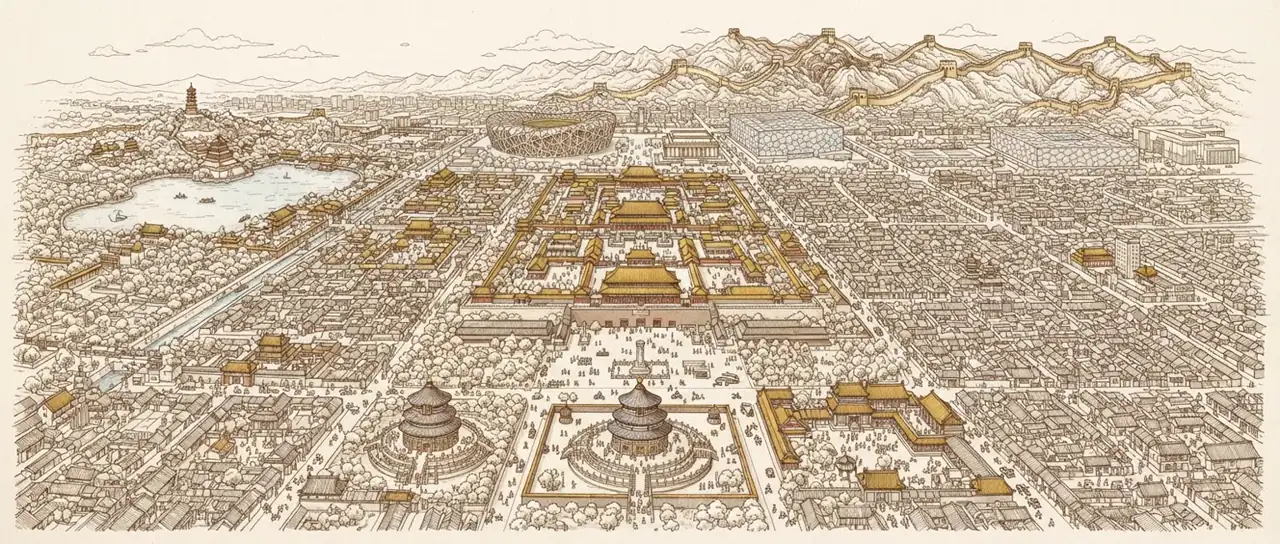
Drawn by hand for the KEY2 Beijing guide
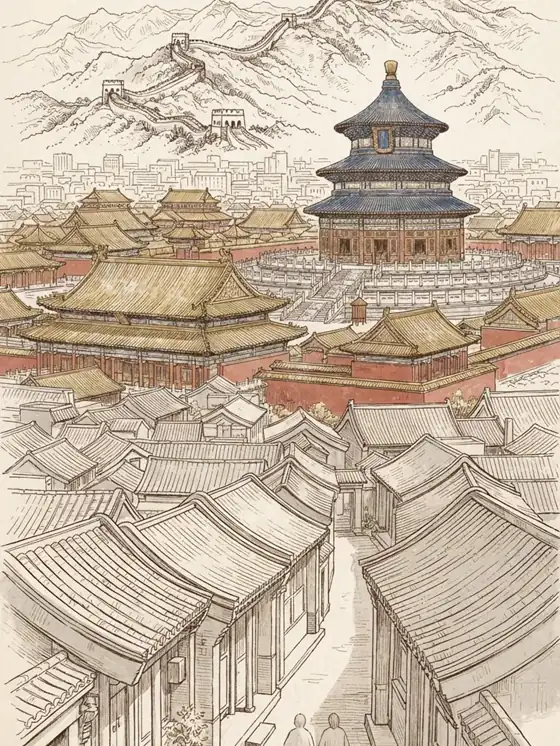

Where to stay
Hotels
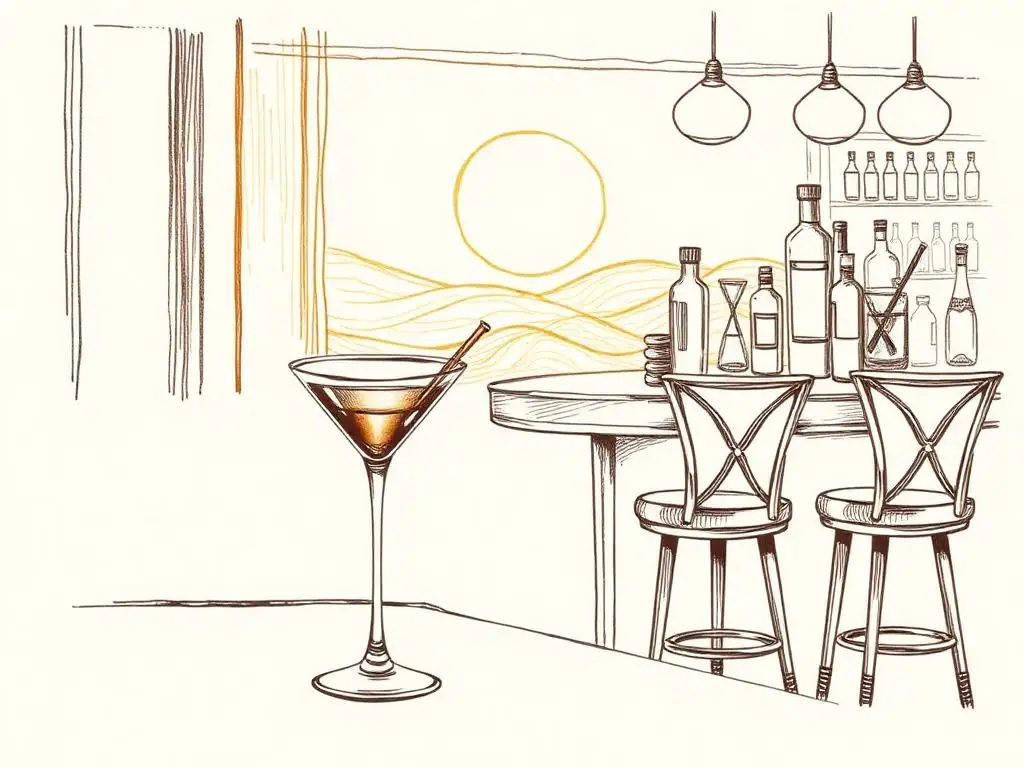
The KEY2 list
Happy Hour

Daylight
Hotel Pools & Pool Clubs

Eat
Best Food

Mornings
Breakfast & Brunch
Recover
Health & Wellness
After dark
Nightlife
Arenas
Sports

Tonight
Concerts & Comedy

Say it here
Weddings
Book the room
Event Spaces

Experiences
100 Other Things To Do
Beijing explained
Hour-by-hour plans drawn by hand — pick one and follow it from first coffee to last call.
24 Hours in Beijing
A single tight loop through the Forbidden City, a hutong alley lunch and Sanlitun's rooftop bars.
48 Hours in Beijing
Two days balancing the Forbidden City and Great Wall with hutong food and Sanlitun nightlife.
Beijing travel guide
The practical layer: when to come, how to arrive, how to move, where to base yourself and what it costs.
Best time to visit
September and October bring the clearest skies and most comfortable temperatures; April and May are a close second, though spring can bring occasional dust storms.
Getting in
Beijing Capital International Airport (PEK) and Beijing Daxing International Airport (PKX) both connect to the city by airport express train (around ¥25, 25–40 minutes) or taxi (¥100–150, 45–60 minutes depending on traffic). A VPN is worth arranging before arrival, since most Western apps and sites are blocked.
Getting around
The subway is extensive, cheap and the fastest way to cross the city, though it can be extremely crowded at rush hour; ride-hailing apps like Didi work well as a backup. Cycling is common and pleasant along the hutong lanes but less so on the wide, traffic-heavy ring roads.
What it costs
A mid-range hotel runs ¥600–1,200 a night in peak season; dinner for two at a good restaurant costs ¥200–400; a single subway ride is ¥3–10 depending on distance.
Where to stay
- Dongcheng
- The historic hutong core around the Forbidden City and Drum Tower, best for walkable sightseeing and courtyard hotels.
- Chaoyang / Sanlitun
- The modern, embassy-adjacent district with the best nightlife, shopping and international dining.
- Xicheng
- Quieter hutong streets around Houhai lake, good value with easy access to the centre.
- CBD
- The glass-tower business district around China World, best for business travellers needing proximity to offices.
Traveller tips
- Download a VPN before you arrive — most Western apps, search engines and social media are blocked in mainland China.
- Carry your passport; some sights and all hotels require ID checks, and police can request it at random.
- Mobile payment apps like Alipay and WeChat Pay are used for almost everything; set one up with an international card before travelling.
- Book Forbidden City and Great Wall tickets online in advance, as daily visitor caps sell out on weekends and holidays.
- Air quality can swing quickly; check a real-time index and keep a mask on hand for high-pollution days.
- Bargaining is expected at markets like Panjiayuan but not in restaurants, malls or chain shops.
The Beijing calendar
The dates that actually move prices, crowds and opening hours.
January–February
Chinese New Year
The city empties as residents travel home, but temple fairs at Ditan and Longtan parks fill with lanterns, opera and street snacks.
April
Cherry blossom season
Yuyuantan Park's cherry trees draw large crowds for a two-week bloom, usually in early to mid-April.
May
Labour Day holiday
A national holiday that fills the Forbidden City and Great Wall sections with domestic travellers.
September–October
Beijing International Music Festival
A month of orchestral and chamber performances across the city's major concert halls.
October
National Day Golden Week
Tiananmen Square hosts flag-raising crowds and the city's sights see their heaviest domestic tourist volume of the year.
December
Winter temple fairs begin planning
Ice sculptures appear at Shichahai lake as it freezes over for skating.
Seasonal highlights
- Spring (Mar–May)
- Mild but windy, with occasional sandstorms blown in from the north; the best light for photographing the hutongs.
- Summer (Jun–Aug)
- Hot, humid and prone to sudden thunderstorms; also the peak season for smog to briefly clear after rain.
- Autumn (Sep–Nov)
- Widely considered the best season — cool, dry and usually the clearest skies of the year.
- Winter (Dec–Feb)
- Very cold and dry, with the Great Wall and Forbidden City at their quietest and most atmospheric.
Off-peak intel
- Visit the Forbidden City and Great Wall sections like Mutianyu on weekday mornings to avoid domestic tour groups.
- Golden Week (early October) and Chinese New Year both bring huge domestic crowds; travel either side of these weeks if possible.
- Winter offers the clearest air quality on average and the thinnest crowds at major sights, if you dress for the cold.
- Book Forbidden City tickets online in advance — daily visitor numbers are capped and walk-up tickets are not guaranteed.